Middle School
12-15 years
Adolescence marks a significant developmental leap and the middle school years serve as a pivotal time for developing academic habits, social understanding, and emotional care.
Middle School
Adolescent Program
A vibrant, busy and strong
community of adolescents
Students end their 7-9 years well-prepared for their senior schooling
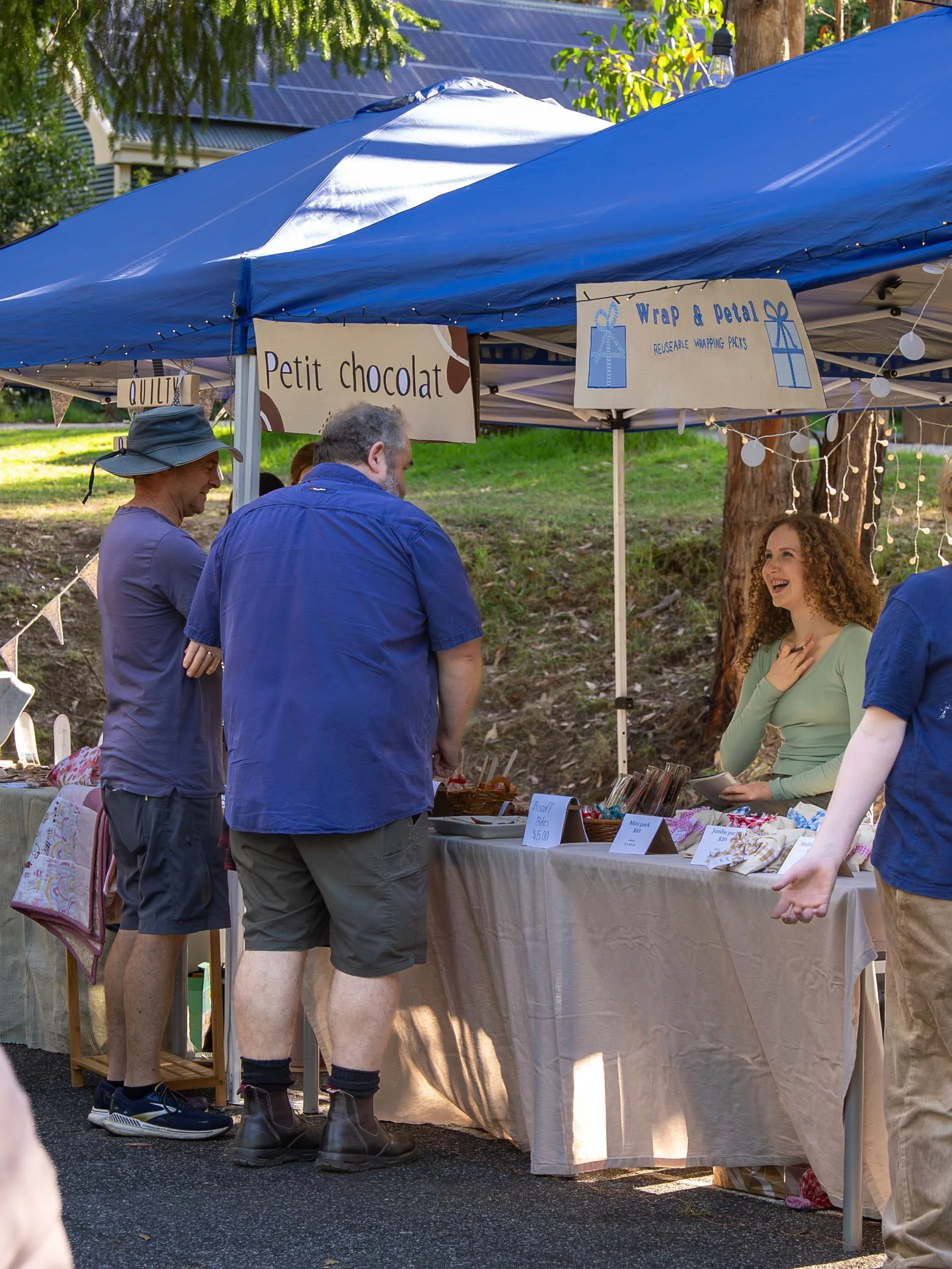
At The Hills Montessori School, our Adolescent Program nestled in the leafy Wairoa campus in Stirling, has an exclusive focus on Year 7 to Year 9 (ages 12 to 15 years) education.
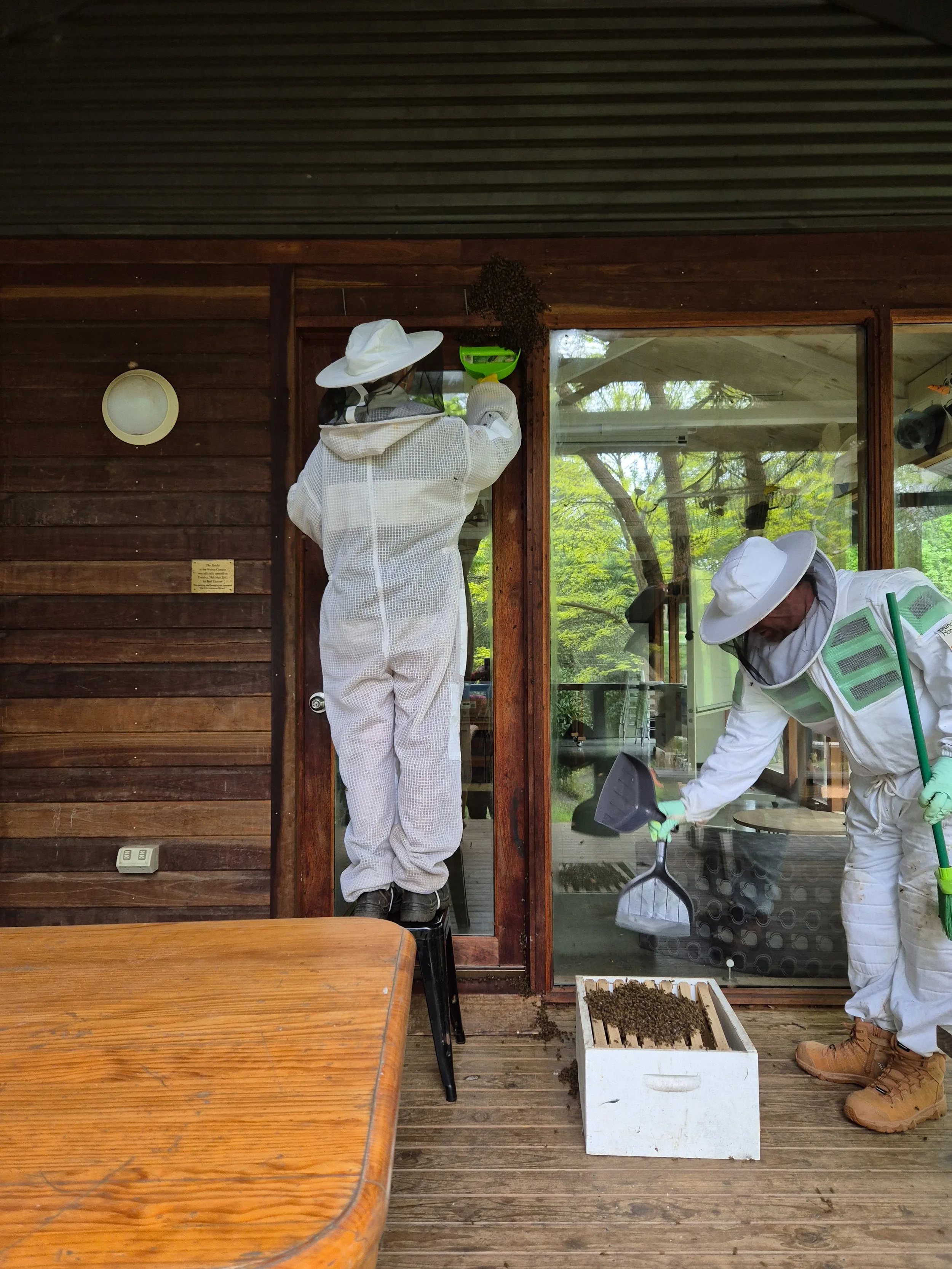
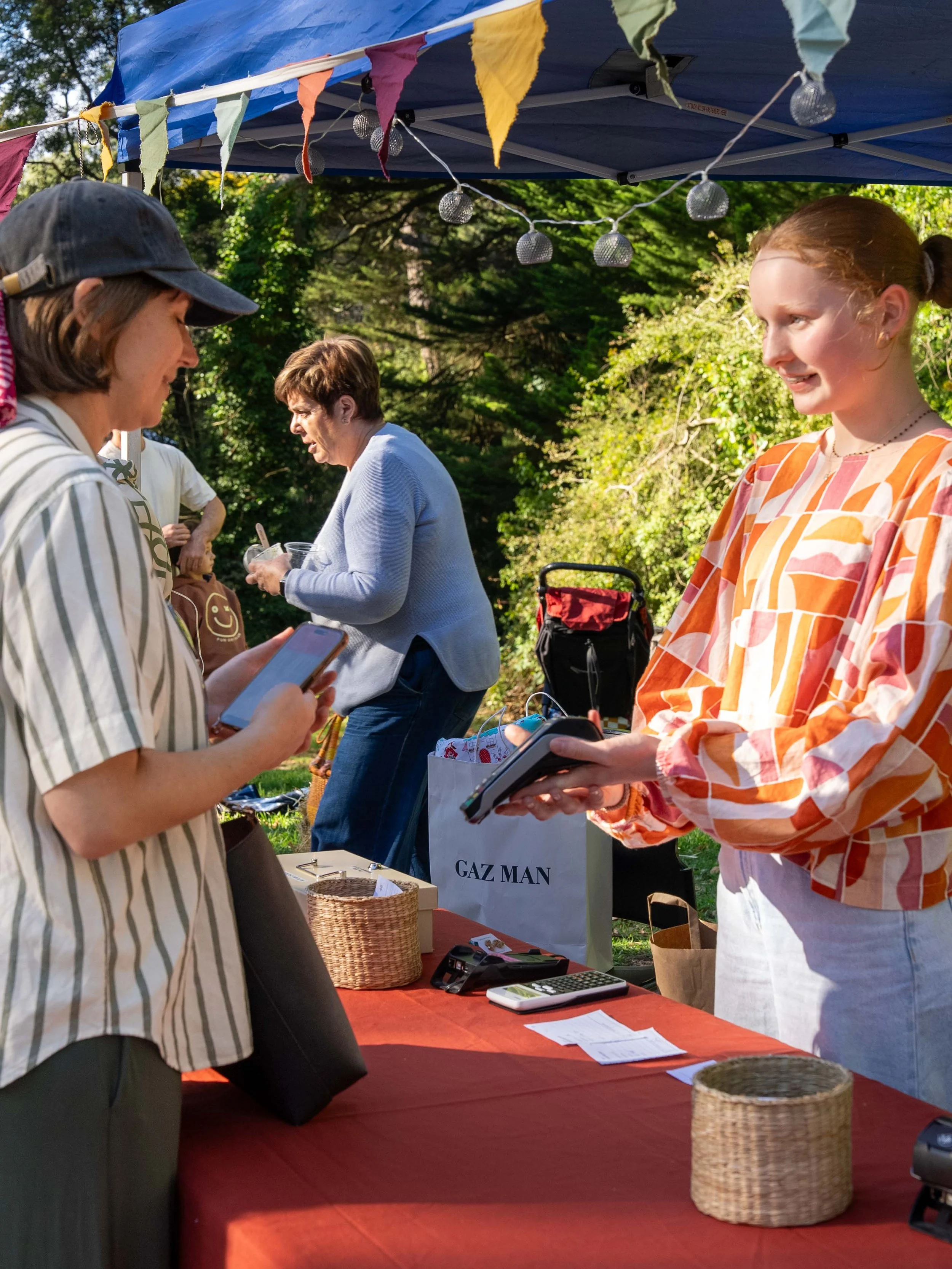
Serving education through work and experiences that are relevant as well as engaging, are crucial to instilling independence and drive. Supported by a highly rigorous academic curriculum, our Montessori middle school program embraces the latest educational practices, including integrated learning, creativity, critical thinking, problem-solving, financial literacy, interpersonal skills, and life skills. Students are mentored and coached by their Advisor and as they progress through our 3-year program, they emerge with a profound sense of self, thoroughly prepared and engaged for their senior school years and beyond.
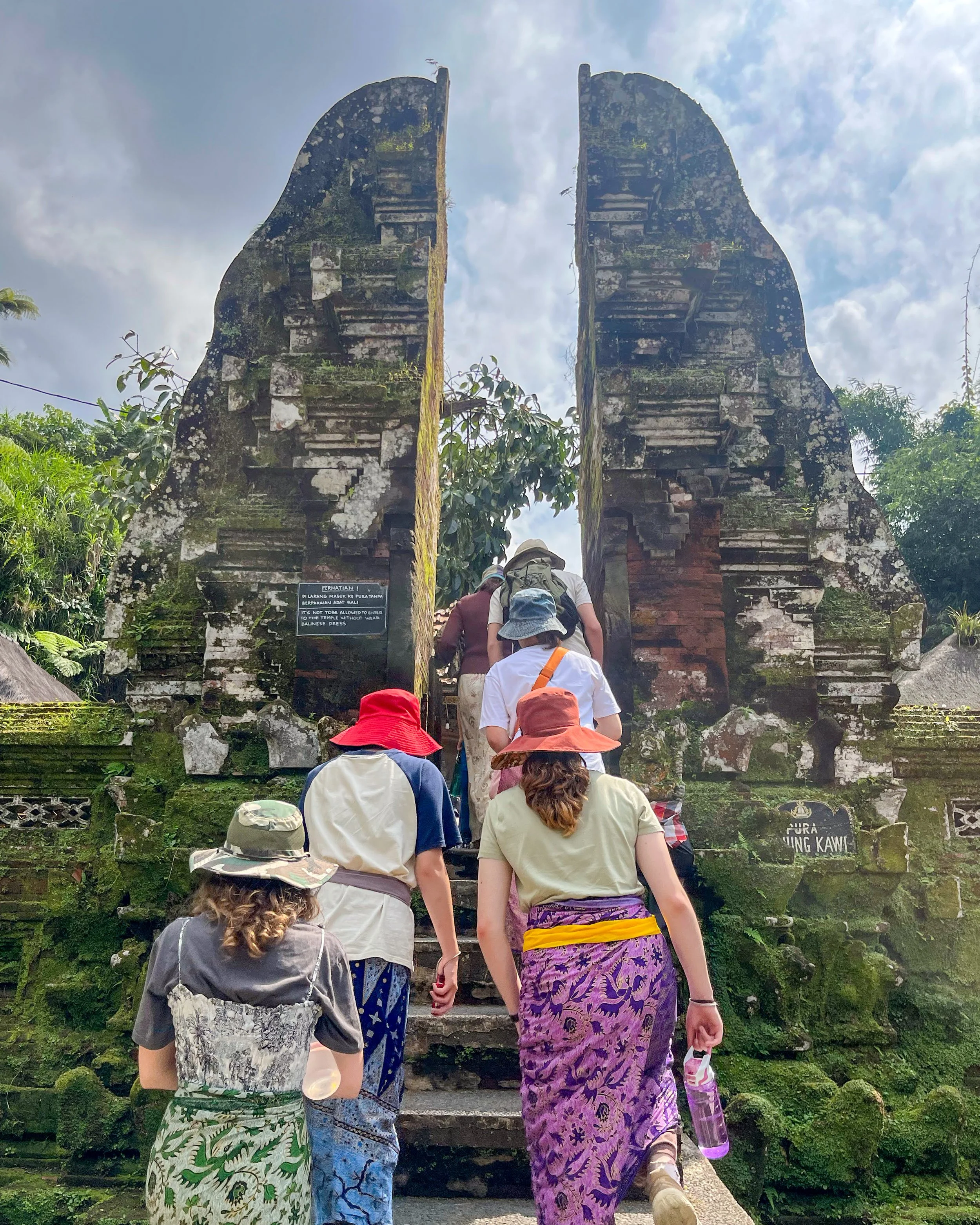
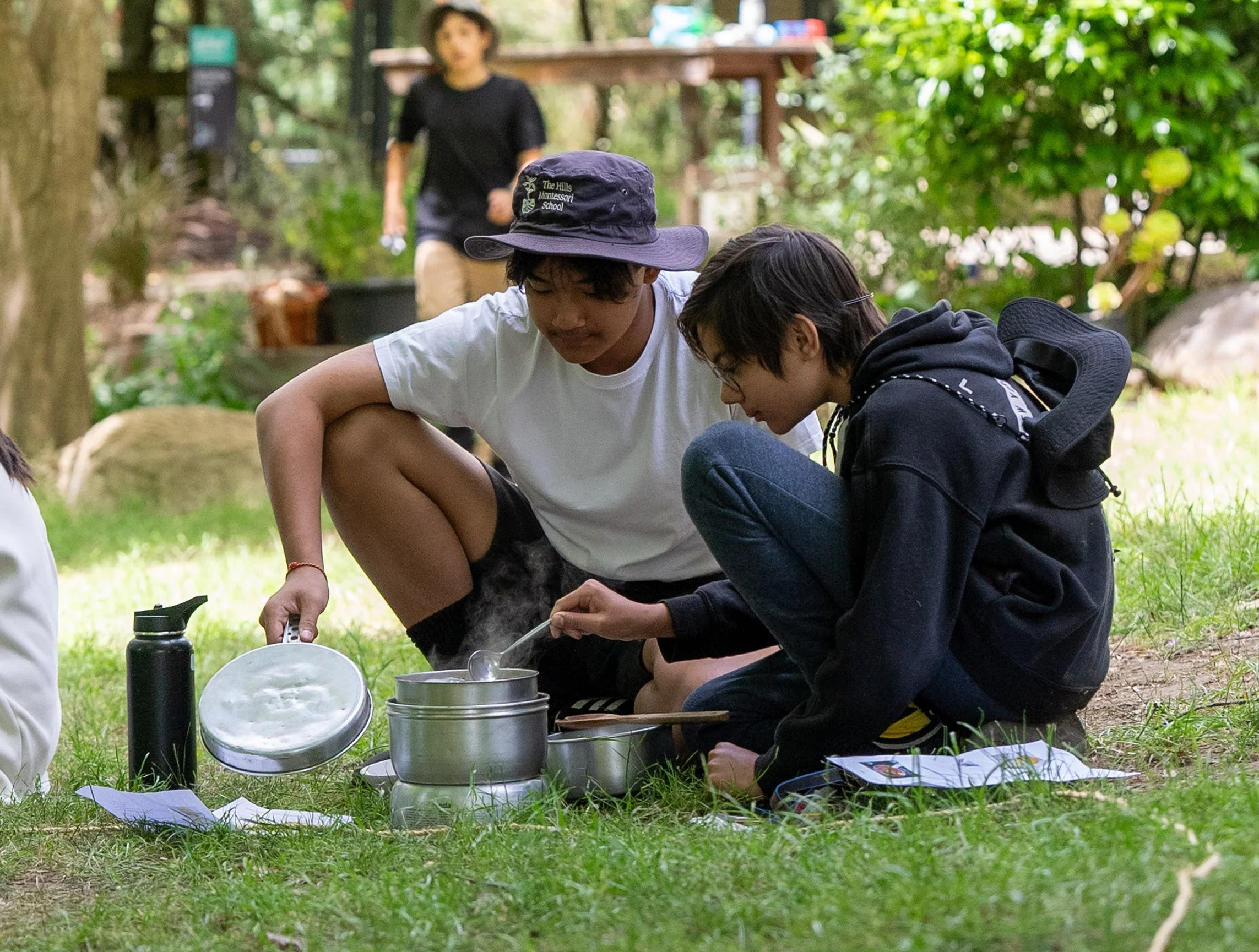
Students experience a diverse range of experiences, including; camps, expeditions and our bi-annual trip to Indonesia.
Please note, the middle school only accepts enrolments at Year 7 and there is one intake at the start of each year.
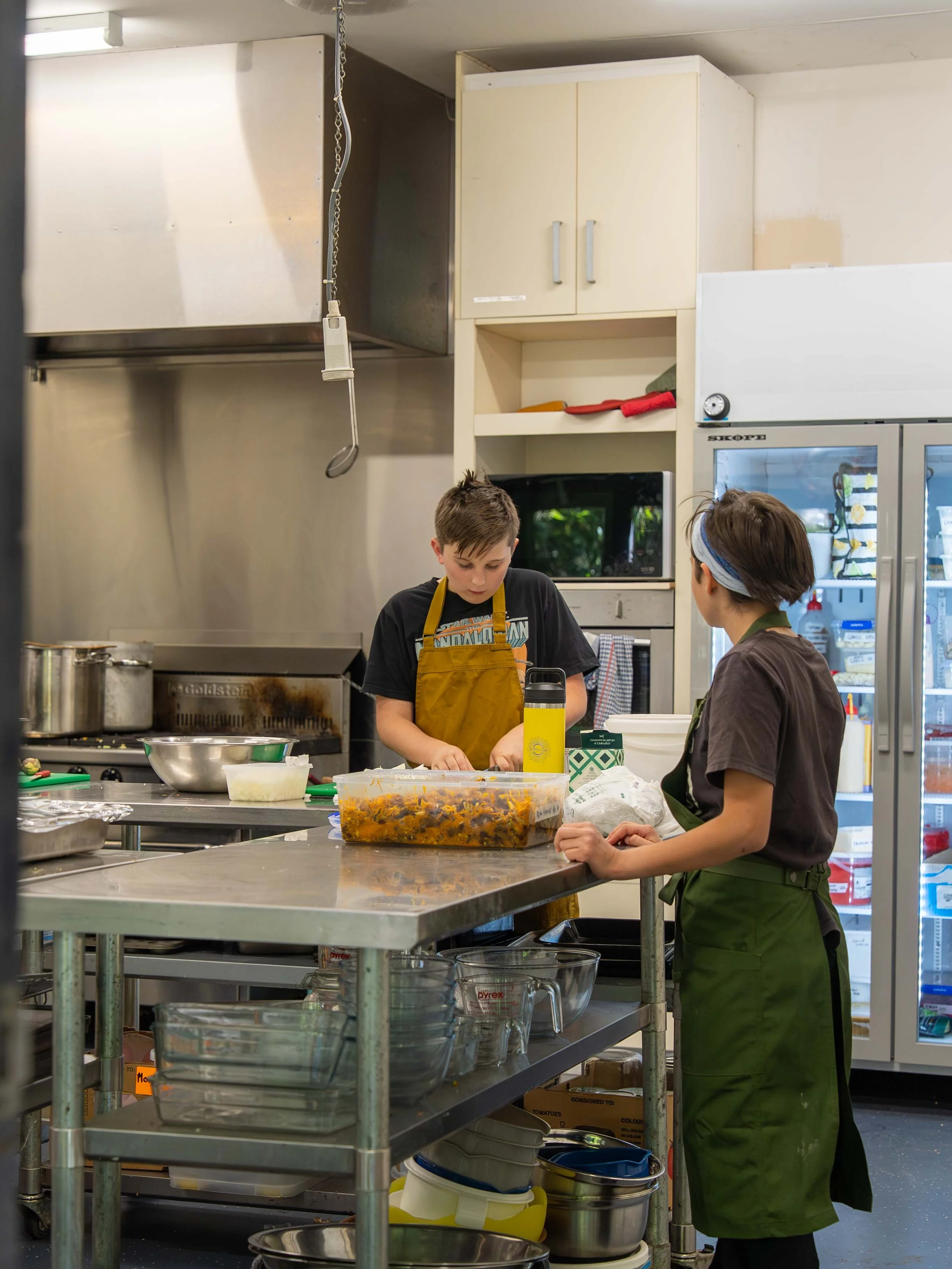
Our Adolescent Program is designed to
Give students a sense of purpose for their education and a solid base to meet their rapidly changing physical, spiritual and academic needs.
Provide an environment where students have access to open spaces, involvement in the production of good food and be engaged both physically and intellectually in their education.
Provide long work periods to encourage focused concentration and personal reflection time while allowing for the questioning, discussion and debate that animate and drive the academic growth of this age.
Incorporate focused choice wherever possible, to help the adolescent students develop independence and learn to make good decisions.
Support students to become effective, independent learners and valued, contributing members of their community
Senior School Pathways
Students and their families are supported in choosing the most appropriate senior school on the basis of interests, strengths and aspirations.

Anita Zocchi
Principal, University Senior College
“Students from The Hills Montessori School are creative, critical and divergent thinkers who collaborate to solve problems and successfully transition into USC.”