

An overview
What is a Montessori Education?
The Hills Montessori School follows the principles and philosophy of Dr Maria Montessori’s educational method, designed to assist the natural development and growth of a child.
It is a ‘common-sense approach’ that employs various teaching methodologies aligned with the distinct stages of a child’s development.
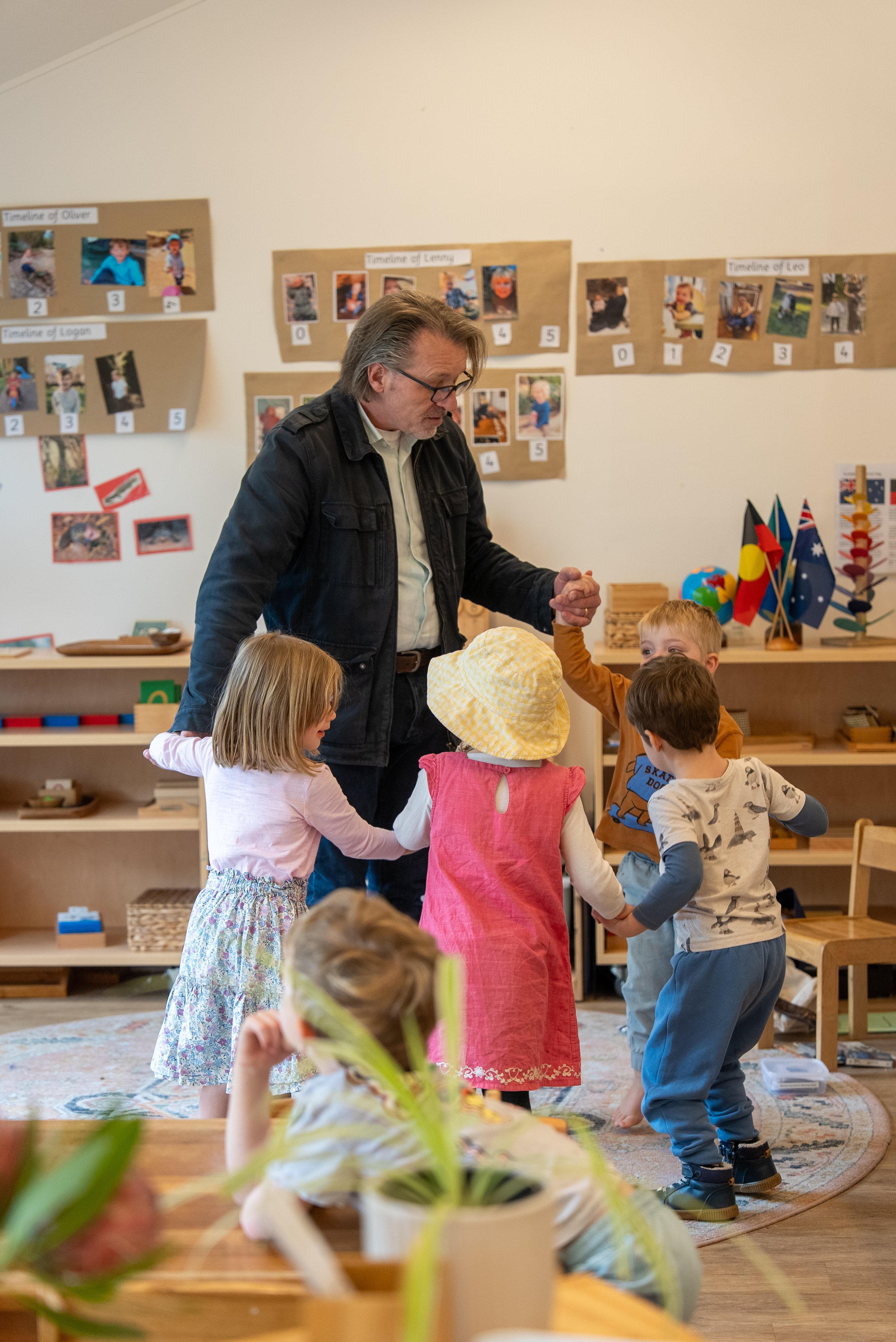
Central to the Montessori approach is the development of the whole child, encompassing mental, physical, social and emotional facets. Montessori classrooms are divided into multi-age groupings, allowing students to stay with one class and one teacher for a 2 - 3 year cycle.
The multi-age classroom is fundamental to the Montessori method as it allows opportunities for leadership, true peer group learning, diversity, growth mindset and stability for both students and teachers as they have a chance to get to know each other over an extended period.
The main aim of the approach is one of developing certain qualities within the child. These qualities include:
Independence and initiative
Concentration and persistence in completing a task
Self-confidence, self-motivation and self-discipline
Orderly work habits
A desire to learn
Children are taught at their own level and pace, individually or in small groups. As a result of learning in a calm, peaceful and non-competitive environment, a desire to learning is developed and concentration is enhanced.
All school members are committed to treating others positively, respectfully and with dignity.
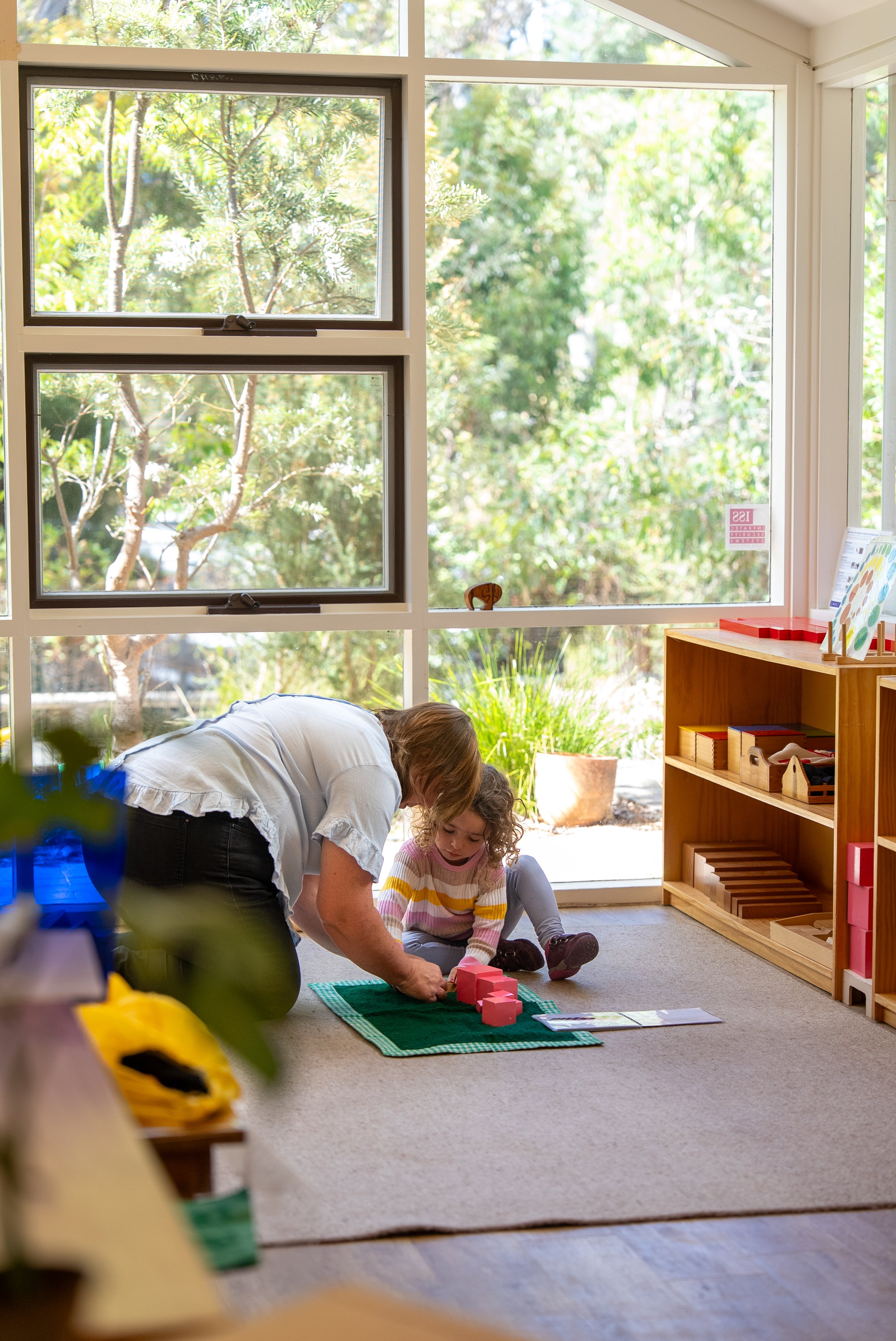
Children are taught at their own level and pace, individually or in small groups.
What Are Montessori Materials?
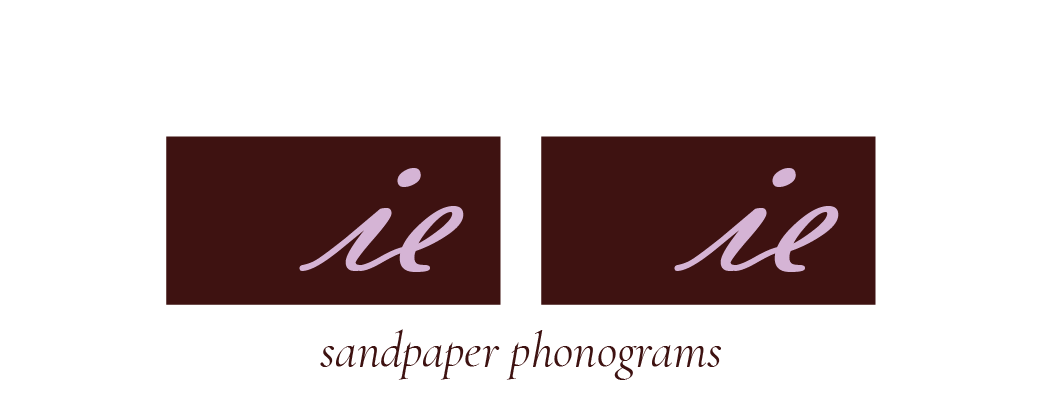
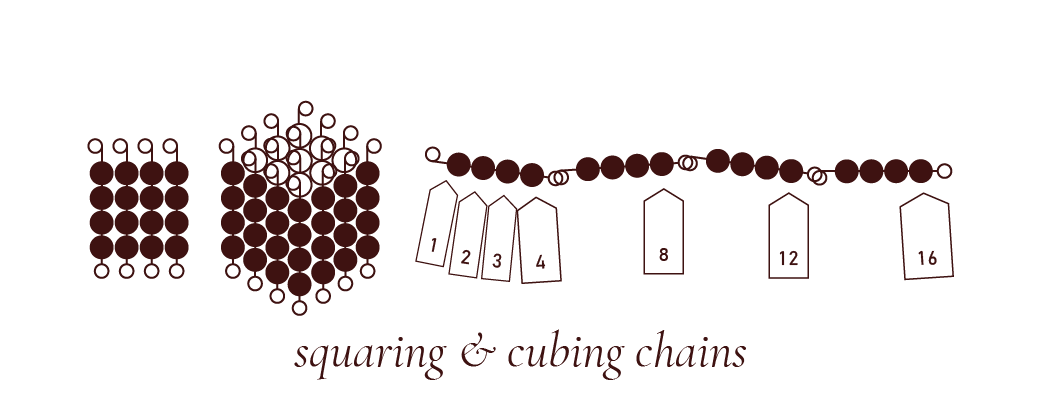
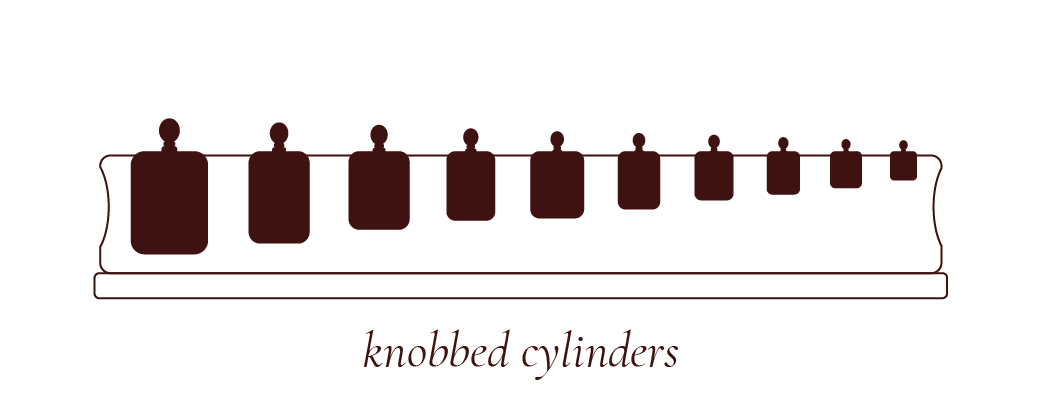
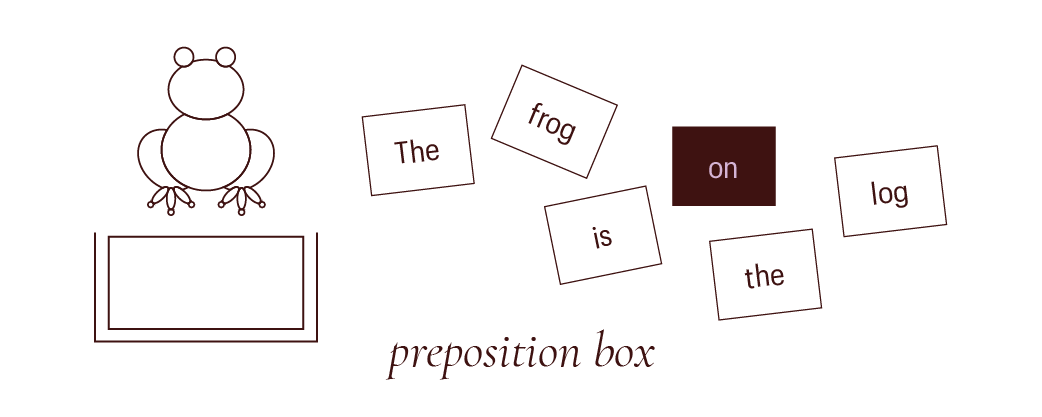
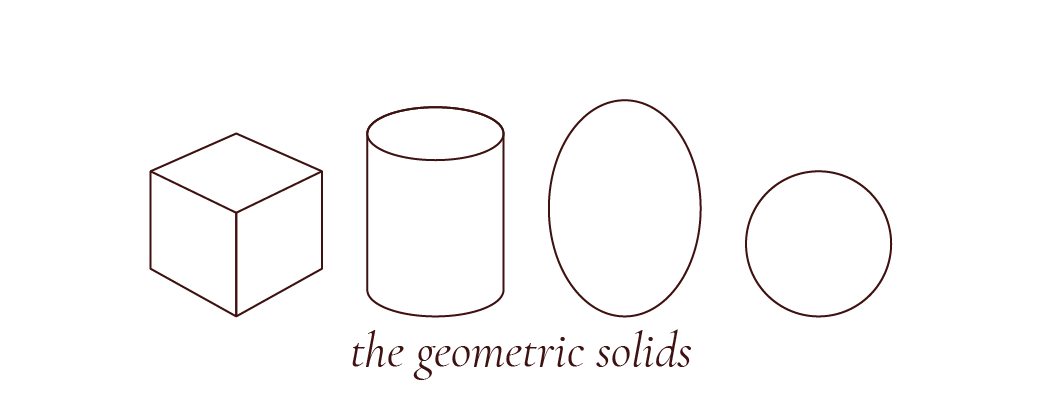
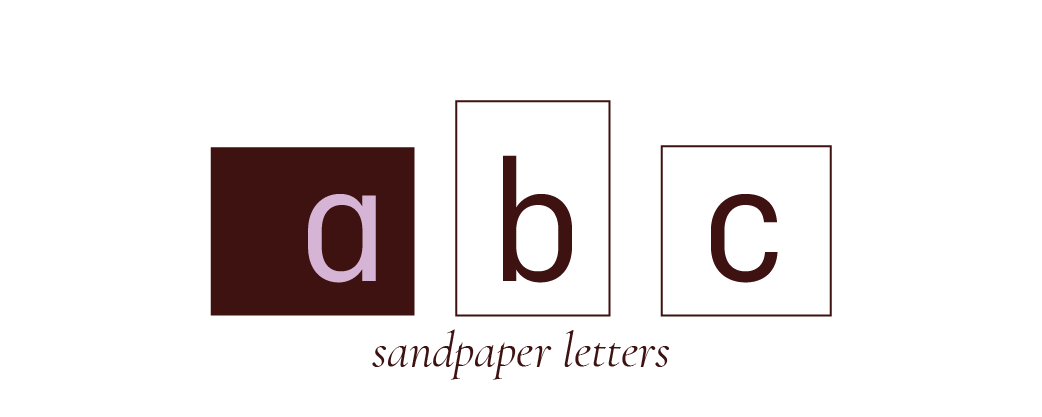
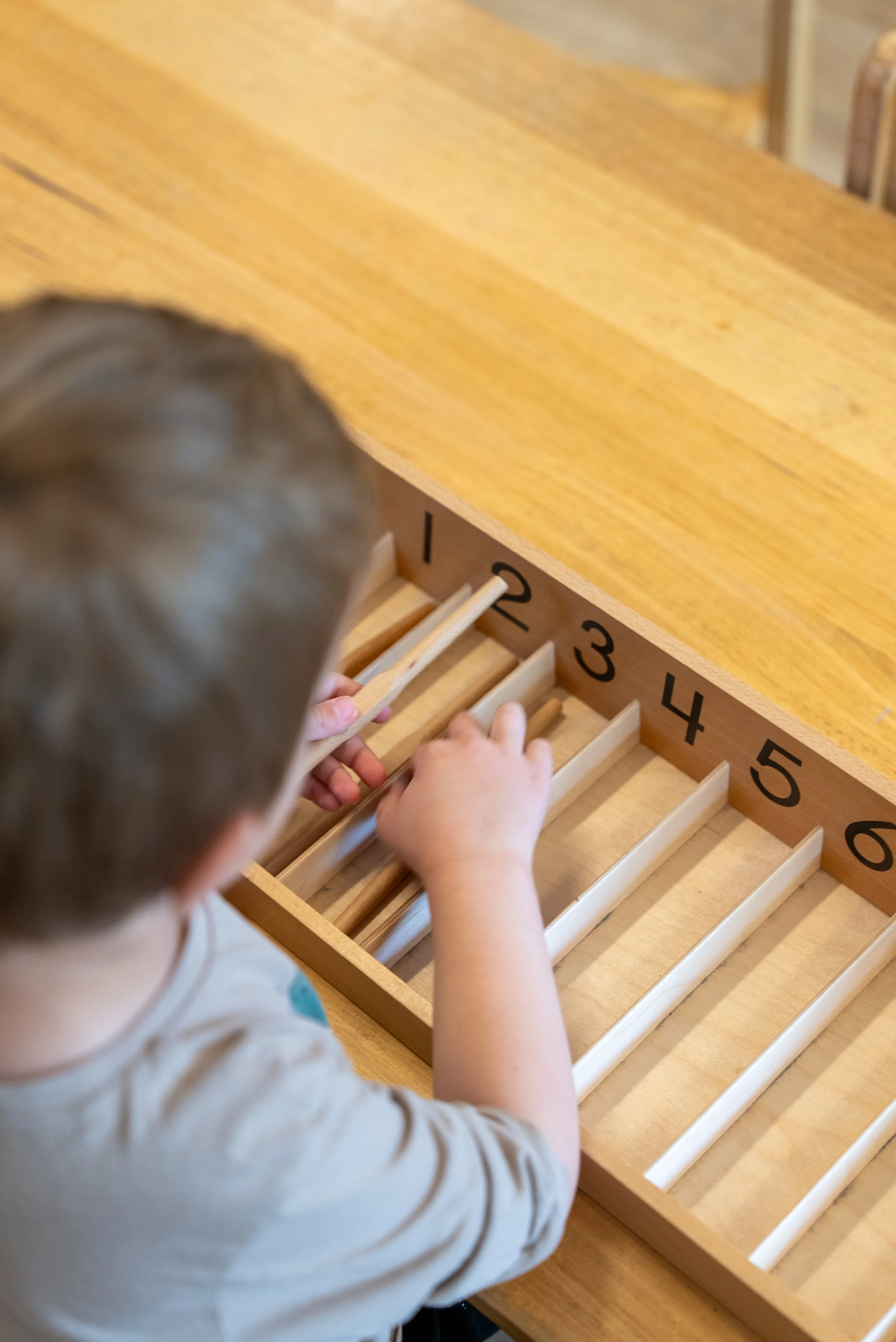
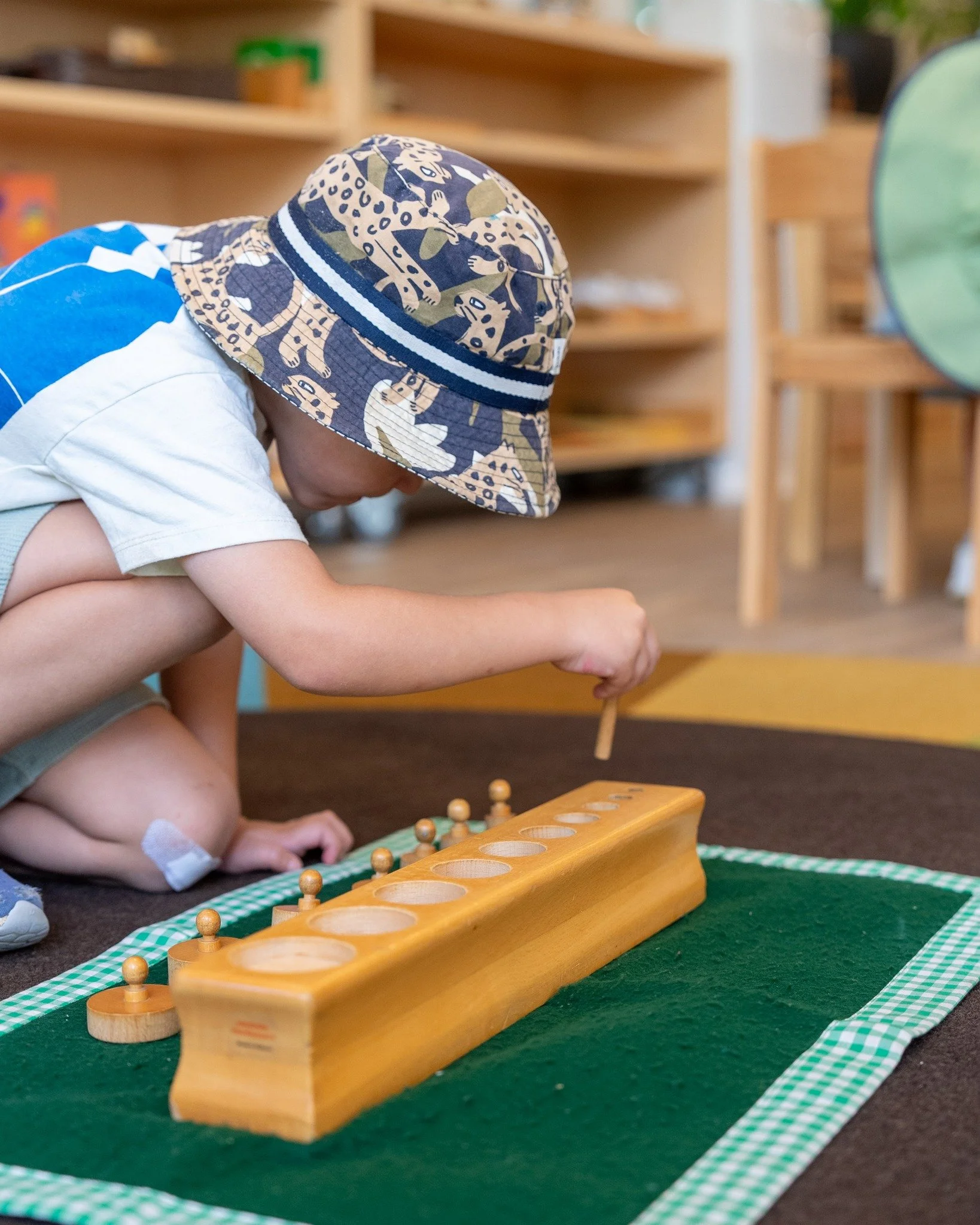
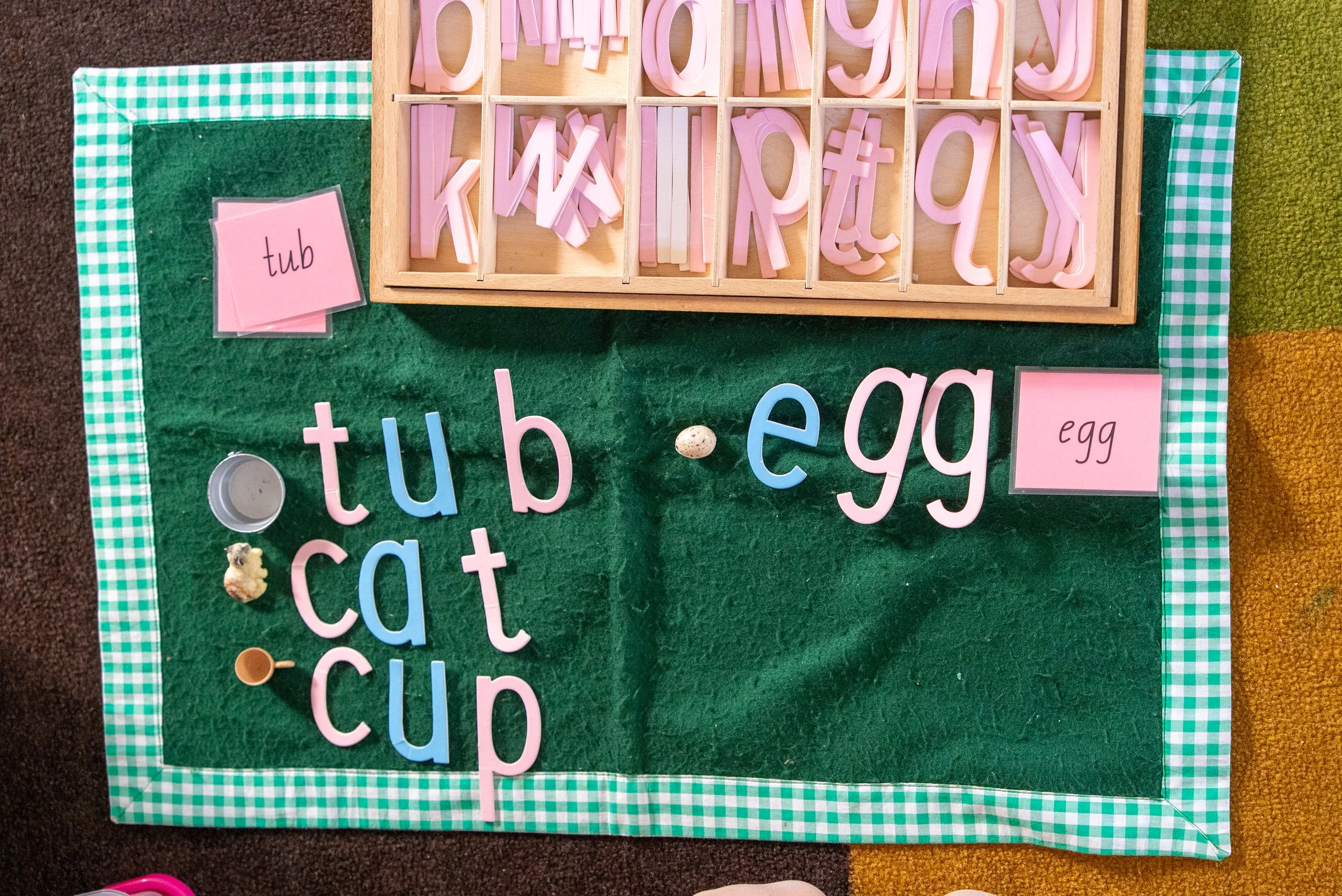
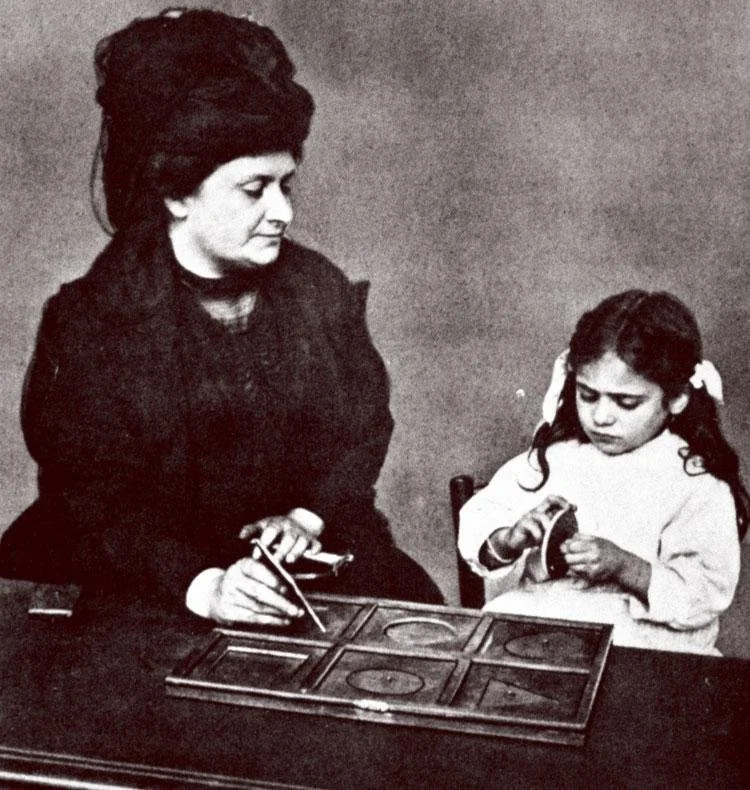
Montessori materials are hands-on learning tools that are designed to provide children with opportunities to discover key learning outcomes through repetition and practice. Each material teaches one skill at a time and is intentionally designed to support independent learning and problem-solving.
What Are Montessori Cycles?
All classes in Cycle 1, 2, 3 and 4 are multi-age, which gives each child the chance to learn from their peers and the flexibility to develop socially and intellectually at their own pace. Typically, students stay with the same teacher for 2-3 years, and this leads to strong teacher-student bonds and a deep understanding by the teacher of individual student characteristics.

Cycle 1
Preschool & Primary
The foundation of a child’s learning and creativity occurs during these formative years.
Our Cycle 1 Preschool and Primary classrooms, are designed to fit the developmental needs and characteristics of each child.
Cycle 1
Cycle 2
Cycle 3
Cycle 4
Primary
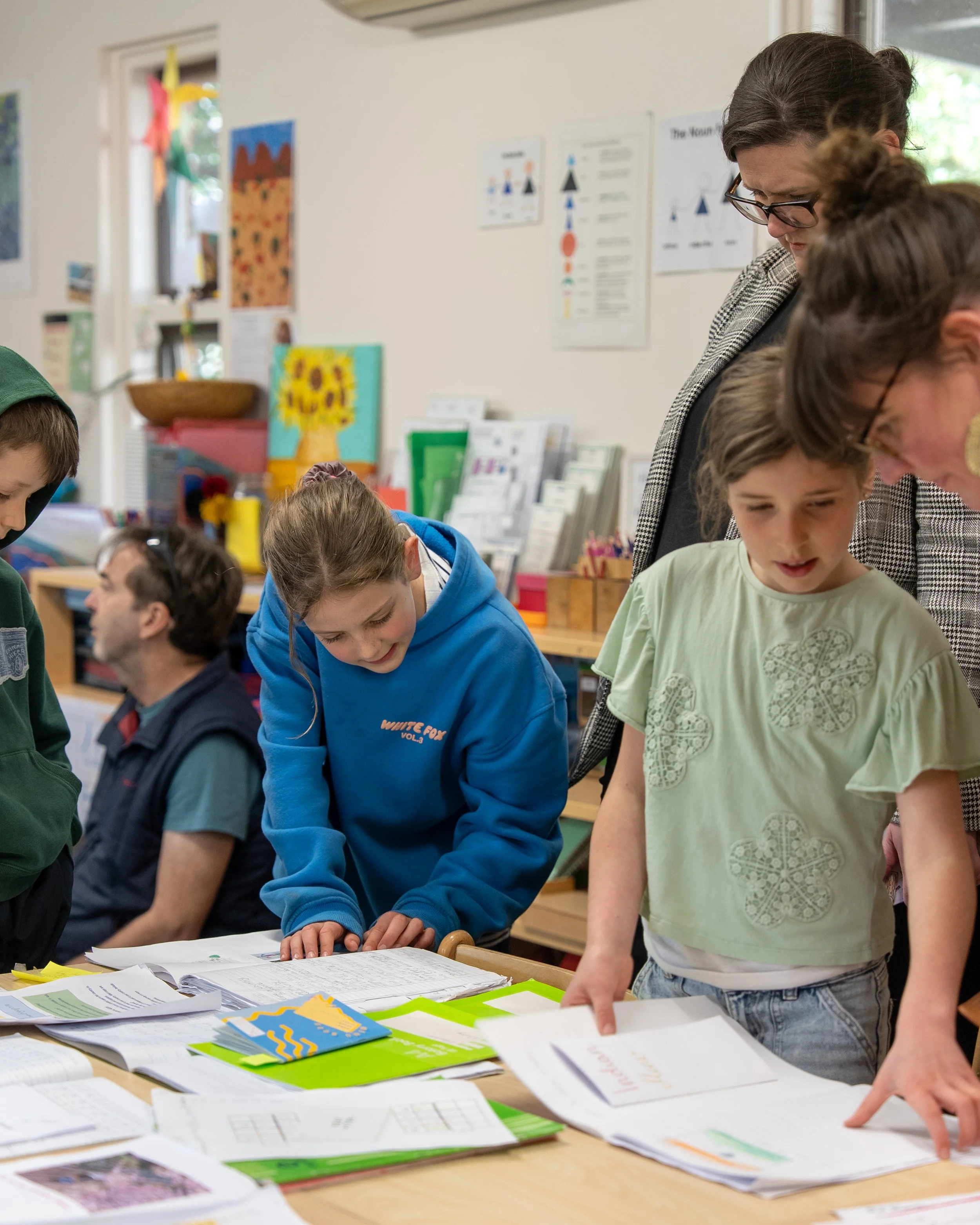
Cycle 2 is a learning environment that encourages and inspires children to be attracted to, and in awe of the wonder of the world. Students regularly work in small groups and the class is more community centered which reflects the development of this age group and their innate desire to interact more with their peers.
Cycle 2
Cycle 1
Cycle 2
Years 1, 2 , 3
Ages 6 - 9 Years
Cycle 3
Cycle 4
Primary
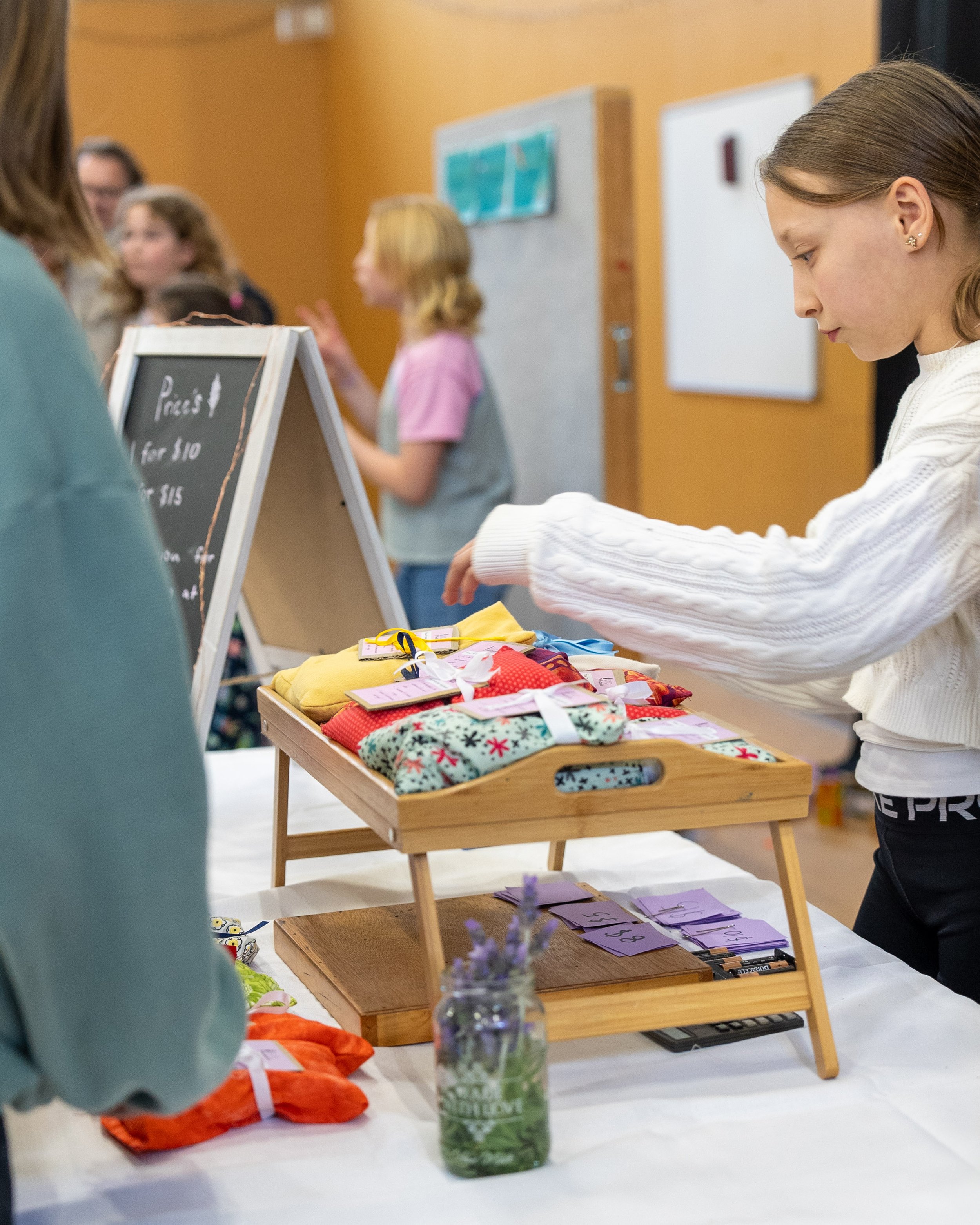
The Cycle 3 curriculum is in-depth and integrated. Children of this age have an enormous capacity and thirst for knowledge. There is a strong emphasis on expanding student competency in literacy, numeracy and advanced mathematics; as well as a love and appreciation of the arts, health and PE, English, music, and Indonesian language and culture.
Years 4, 5, 6
Ages 9 - 12
Cycle 3
Cycle 1
Cycle 2
Cycle 3
Cycle 4

Middle School
Adolescence is a period marked by significant social growth, critical thinking, self-reflection, and self-exploration as individuals begin the transition from childhood to adulthood. Students learn actively and develop a real sense of purpose for their education through real-life experience, practical projects, time for discussion, reflection and debate which all drives the academic growth.
Cycle 4
Cycle 1
Cycle 2
Years 7, 8 , 9
Ages 12 - 15 Years
Cycle 3
Cycle 4




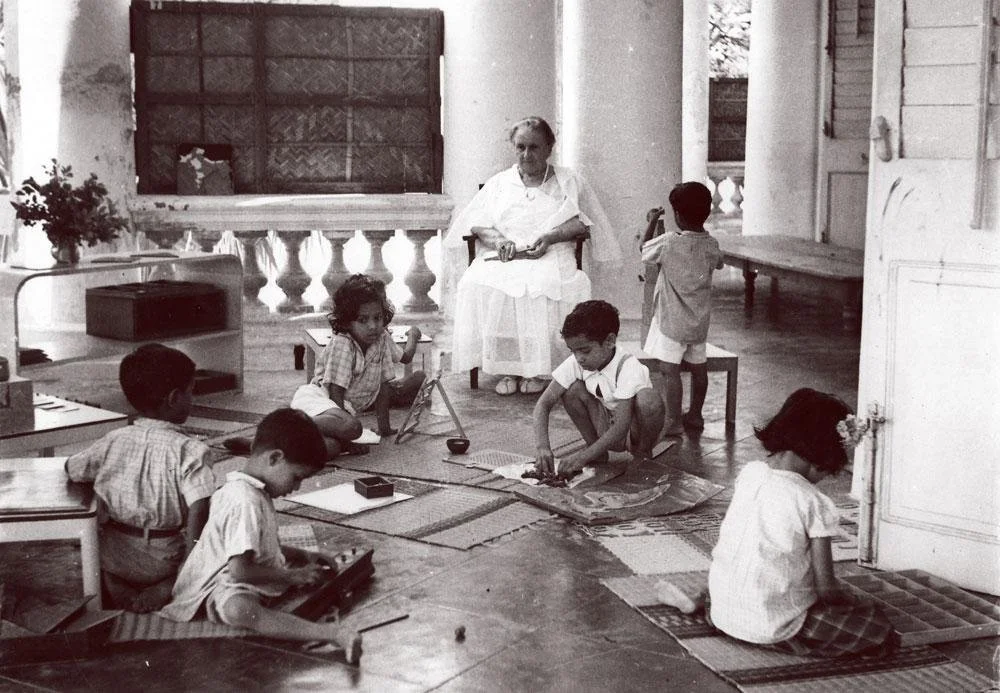
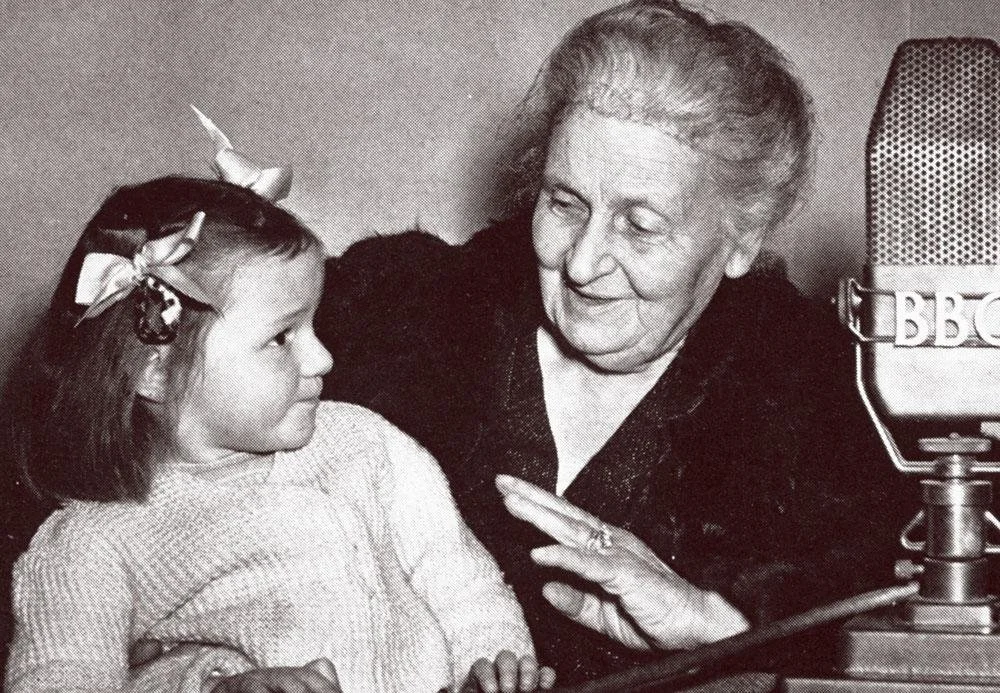
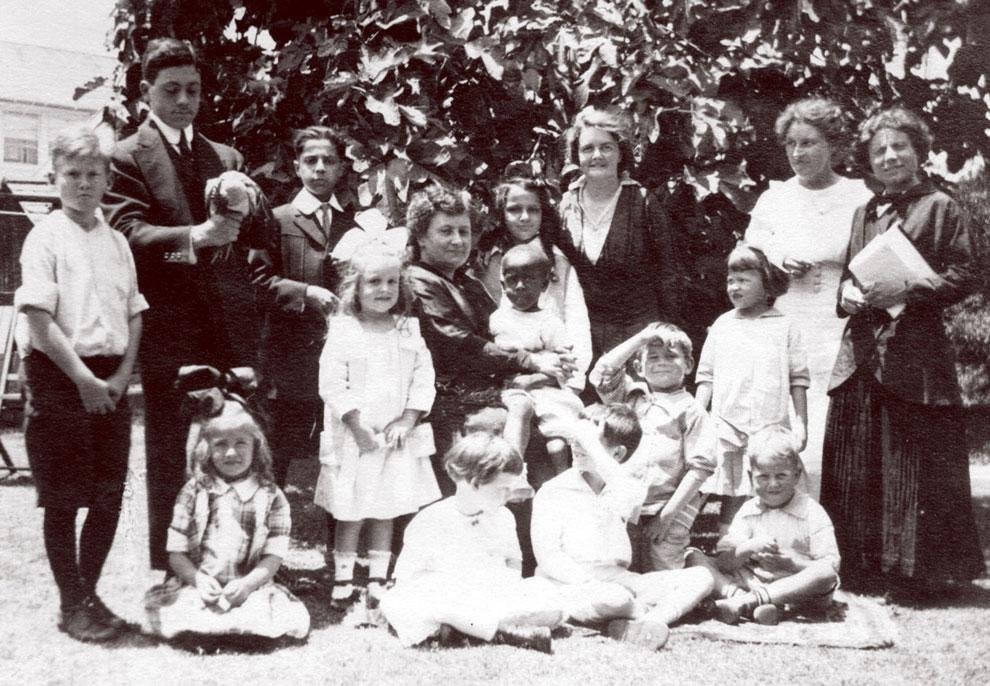
Who is Maria Montessori?
Maria Montessori (1870–1952) was the first Italian woman to become a doctor of medicine.
Through her careful study of children’s developmental milestones, she developed a child-centred approach to education that focuses on educating the whole child — intellectually, socially, emotionally and physically.
In 1907, she opened the first Montessori school in Rome, introducing learning environments designed to inspire curiosity and wonder, along with vertical grouping (mixed-age classrooms) that support collaboration, peer learning and a strong sense of community.
Her work transformed education and continues to influence modern education and schools around the world today.
An integrated curriculum
Development of the whole child
The Hills Montessori School’s curriculum is comprehensive and integrated, designed to develop the 'whole child’.
The National Montessori Curriculum is taught which has been approved by the Australian Curriculum, Assessment and Reporting Authority (ACARA).
Tracking your child’s progress
Students begin the academic curriculum at 3 years of age. Teachers implement an excellent system to maintain accurate and well-recorded observations of your child. These observations along with other forms of assessment, are used to monitor closely your child’s welfare and progress. Reporting to parents is done both formally and informally each term using a variety of formats. Our comprehensive assessment and recording procedures give direction to developing programs to suit individual children’s needs. We provide both support for children experiencing learning difficulties, and provide extension opportunities where required.
The importance of literacy and numeracy
The pursuit of academic excellence is fundamental to Montessori Philosophy. We recognise the crucial role literacy and numeracy will play in your child’s life. Hands-on Montessori materials which are sensorially stimulating help children develop a clear understanding of concepts related to numeracy and literacy. We emphasise reading, writing, speaking, spelling and the teaching of formal grammar. Mathematical concepts are introduced, developed and practised through using both Montessori materials and relevant teaching activities. Proficiency is fostered through the memorisation of tables and number facts.
Reporting
Our commitment to Montessori principles ensures that we will keep parents and students informed about, and included in, the child’s progress & development, the educational program and the child’s self evaluation and goal setting.
Preschool reporting procedures for students
TERM 1 -Teacher/Parent meetings & Portfolio
TERM 2 – Teacher/Parent meetings & Portfolio
TERM 3 – Portfolio
TERM 4 – Portfolio
Preschool reporting for Extended Day students
TERM 1 – Teacher/Parent meetings & Portfolio
TERM 2 – Collaborative meetings & Report & Portfolio
TERM 3 – Portfolio
TERM 4 – Summative Report & Portfolio
Primary School reporting procedures
TERM 1 – Teacher/Parent meetings
TERM 2 – Collaborative meetings & Report
TERM 3 – Snap Shot Books, NAPLAN Tests Results & Interviews for Years 3 & 5
TERM 4 – Summative Report
Middle School reporting procedures
TERM 1 – Collaborative planning conference
TERM 2 – Roundtable Conferences & Written Report
TERM 3 – NAPLAN Tests Results & meetings for Years 7 & 9
TERM 4 – Exhibition of Work & Learning and Summative Report
Our Specialist Subjects
Specialist subjects such as Indonesian, Student Wellbeing, Performing Arts, Digital Technology, Physical Education and Gardening complement classroom learning and support the development of the whole child.
Indonesian
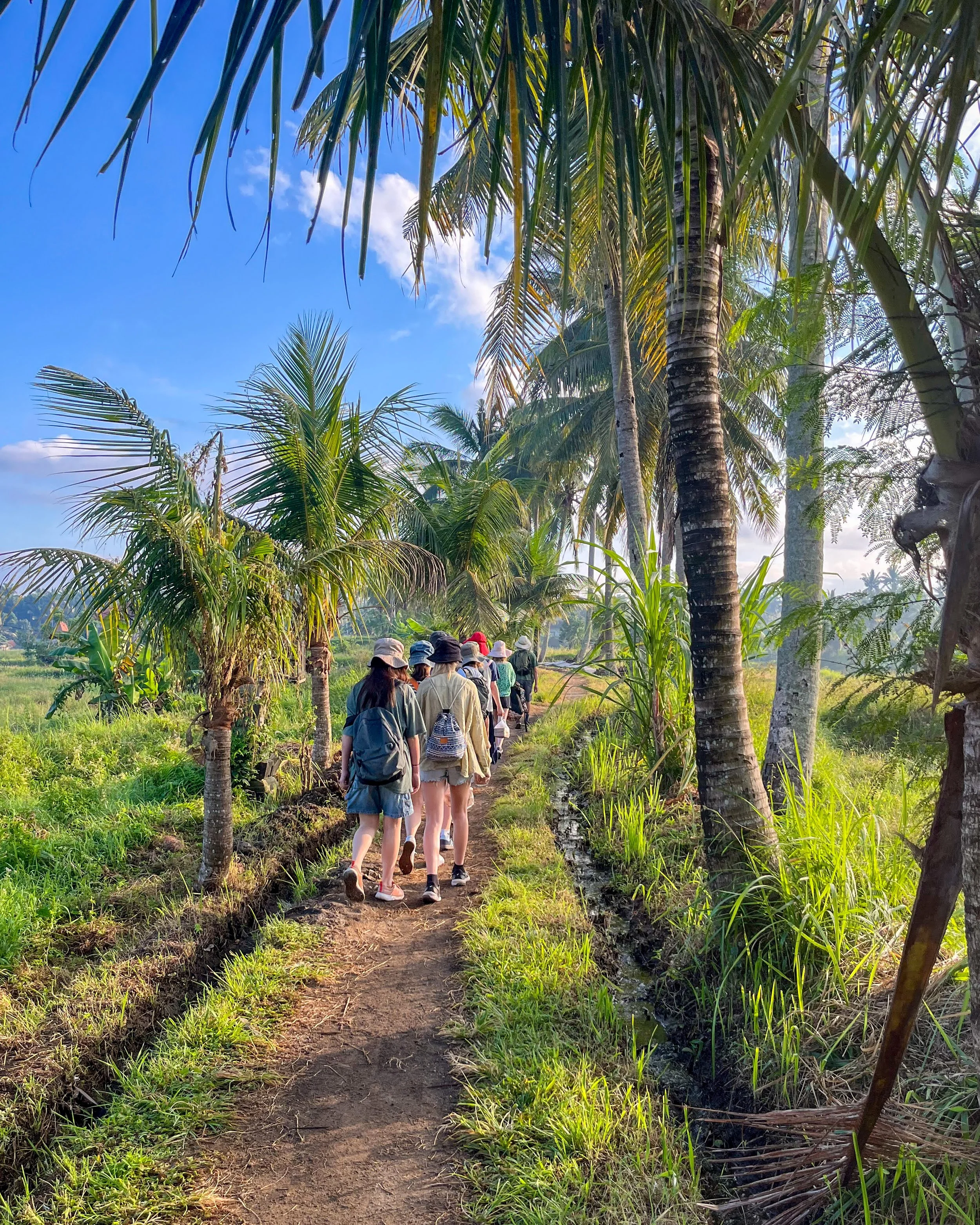
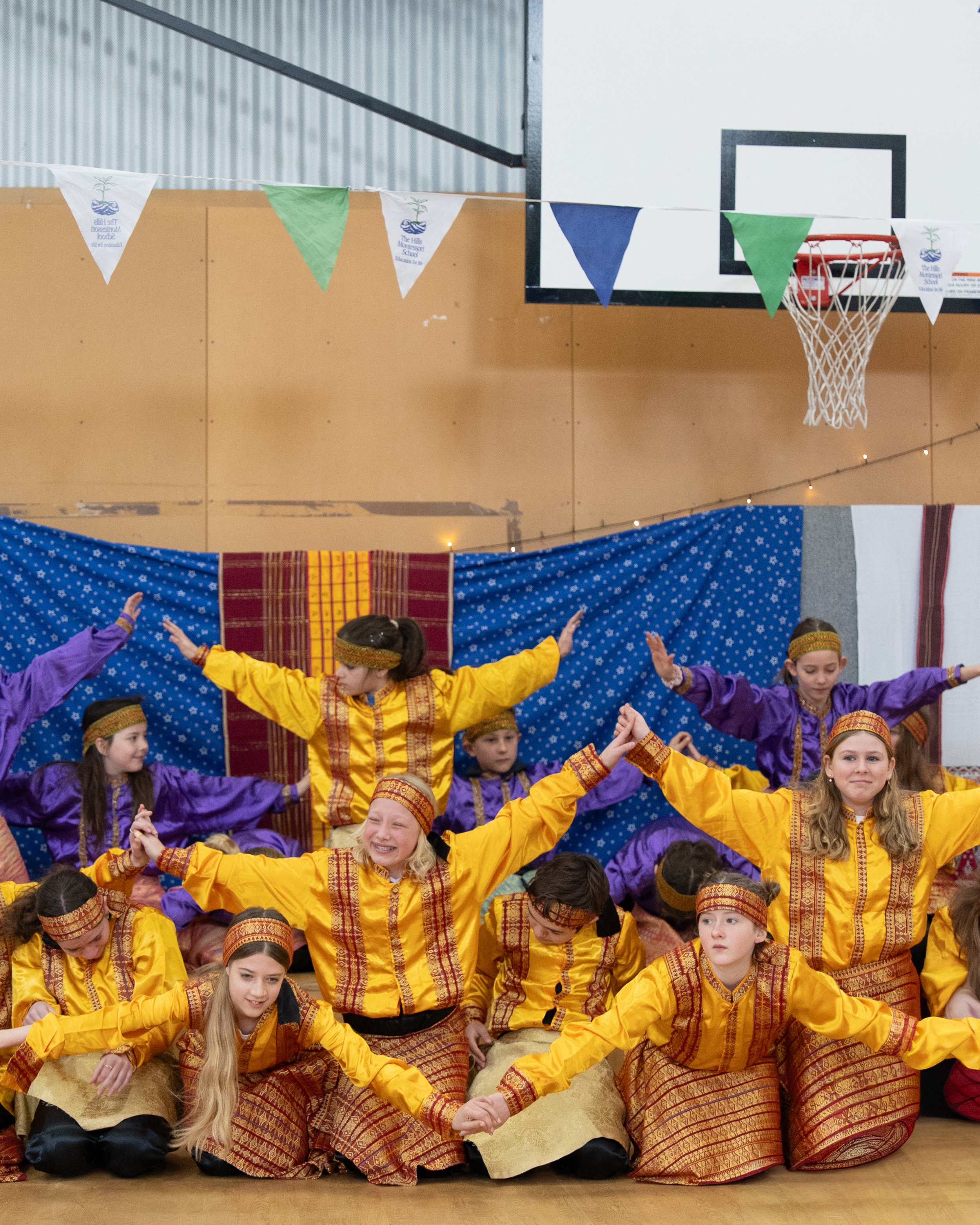
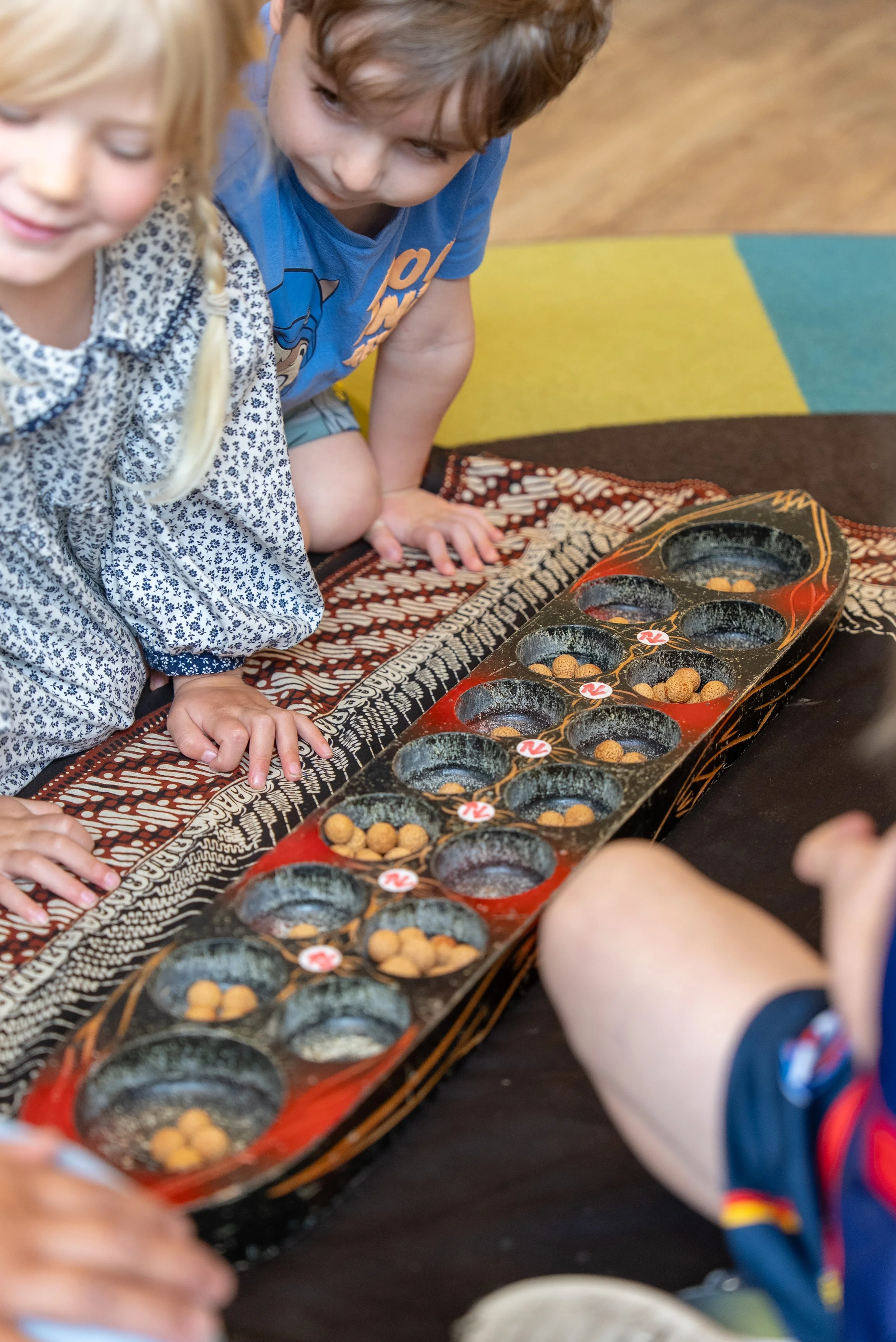
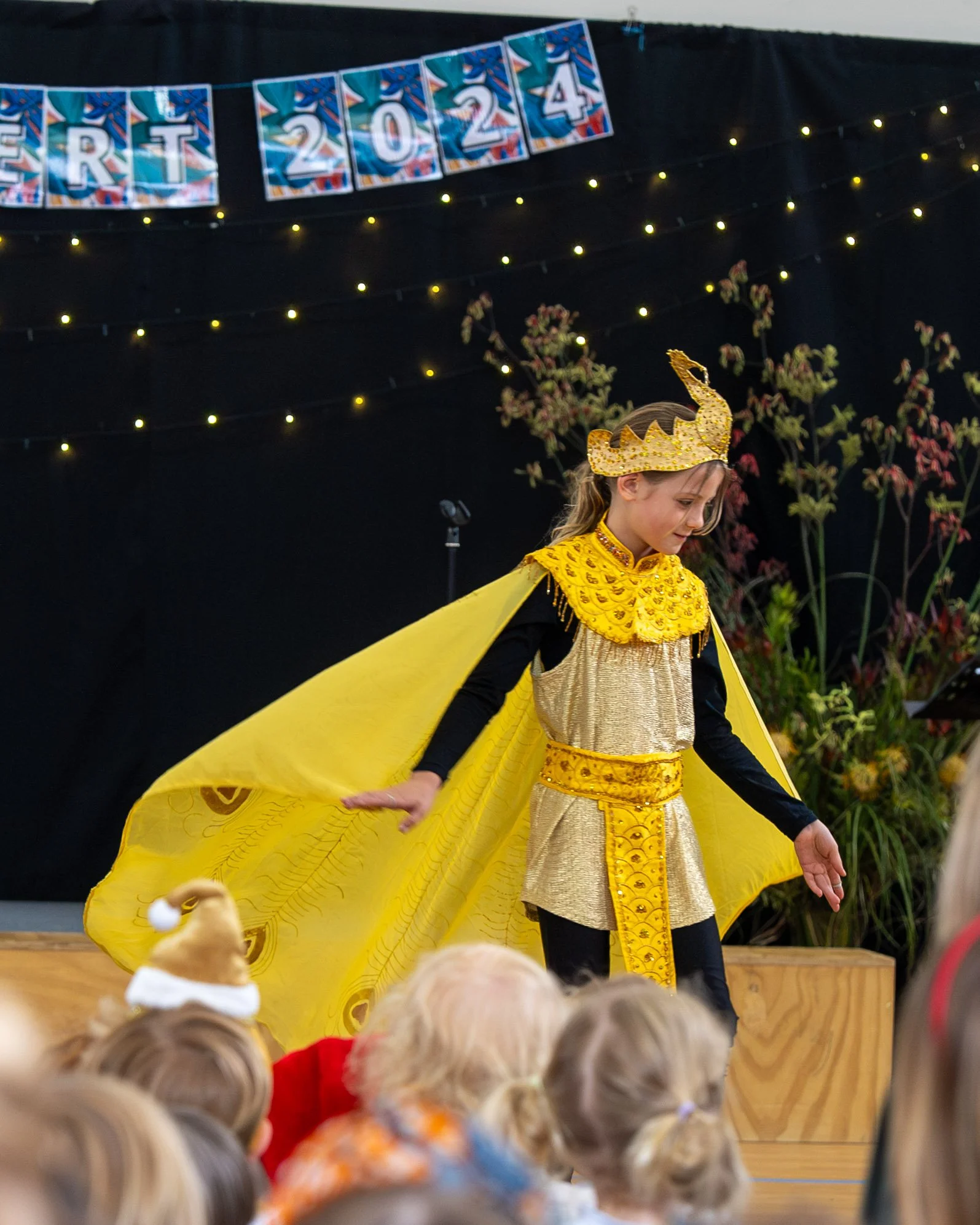
The language and culture of Indonesia are taught from Cycle 1 (Reception) to Year 9. Our school is fortunate to own a Gamelan Orchestra with 4 other South Australian Independent Schools. Each year for one term the students have access to the Gamelan Orchestra and have lessons in playing the various instruments. Middle School students (years 7,8 & 9) have the opportunity to be involved in an overseas cultural trip to Indonesia offered every two years.

Performing Arts
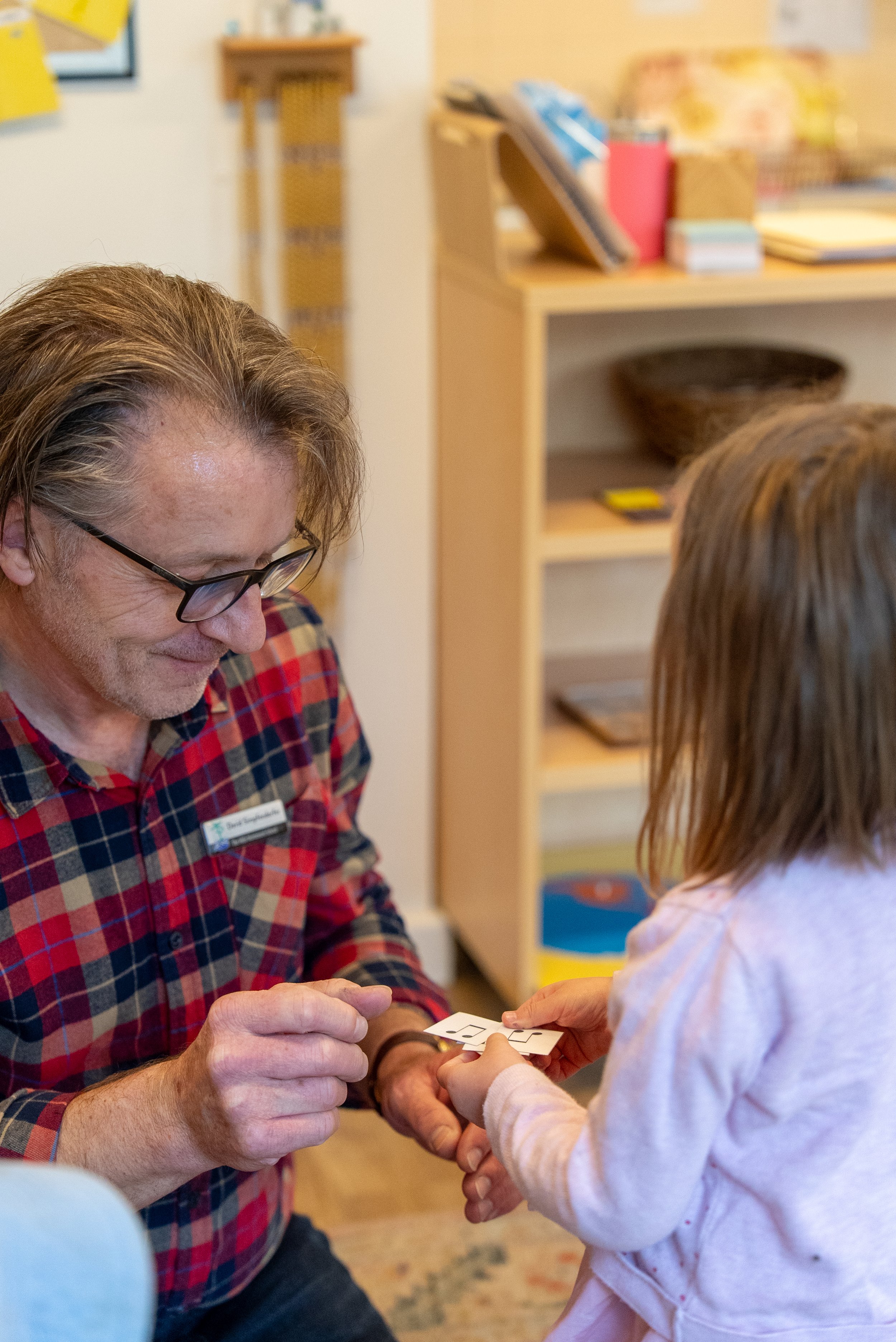
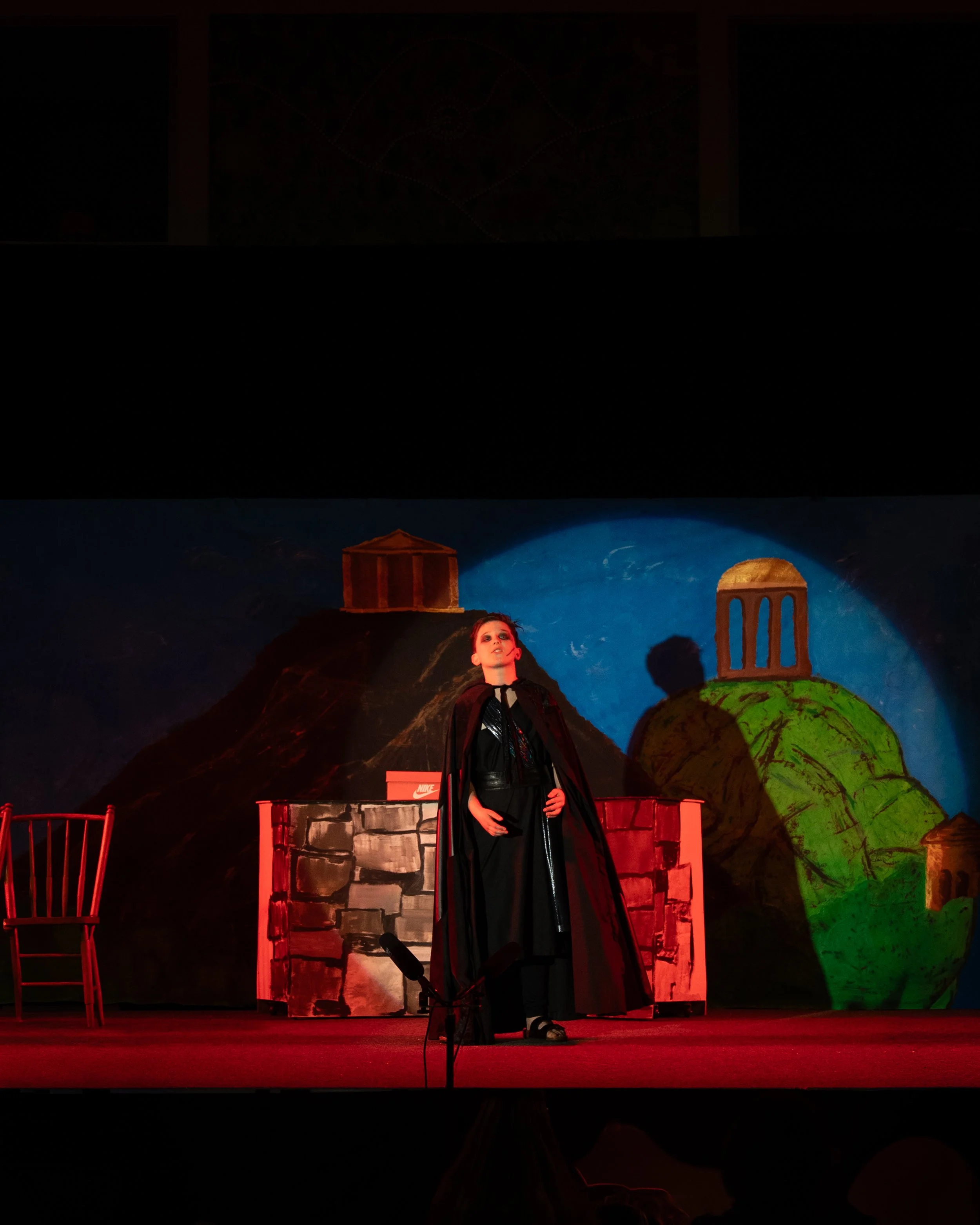
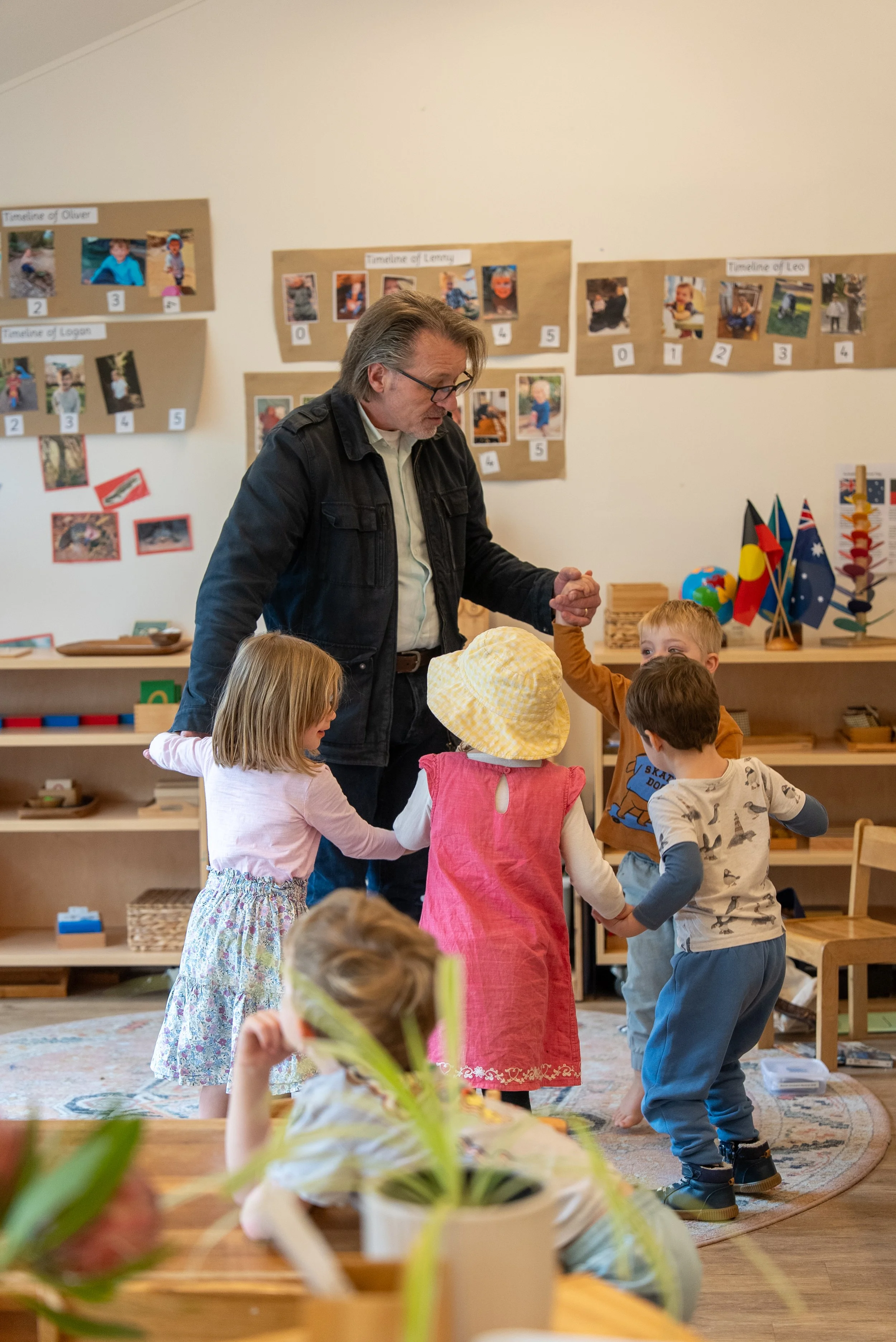
Our school encourages a love and appreciation of music through classroom lessons with a specialist teacher at Yultiwirra campus. Private tuition is available during school hours in a range of instruments. Singing tuition is also available through participation in the school choir.
Physical Education
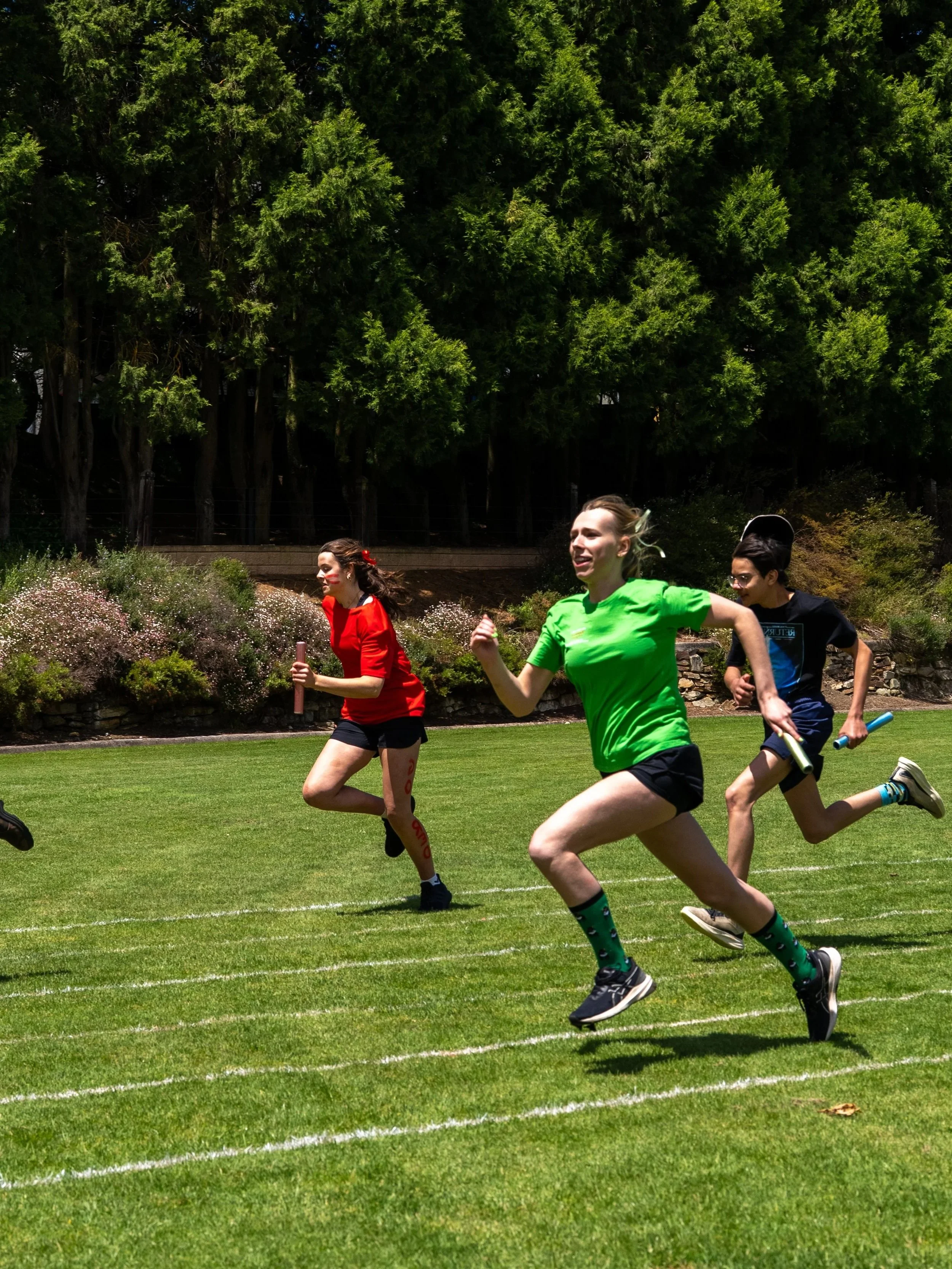
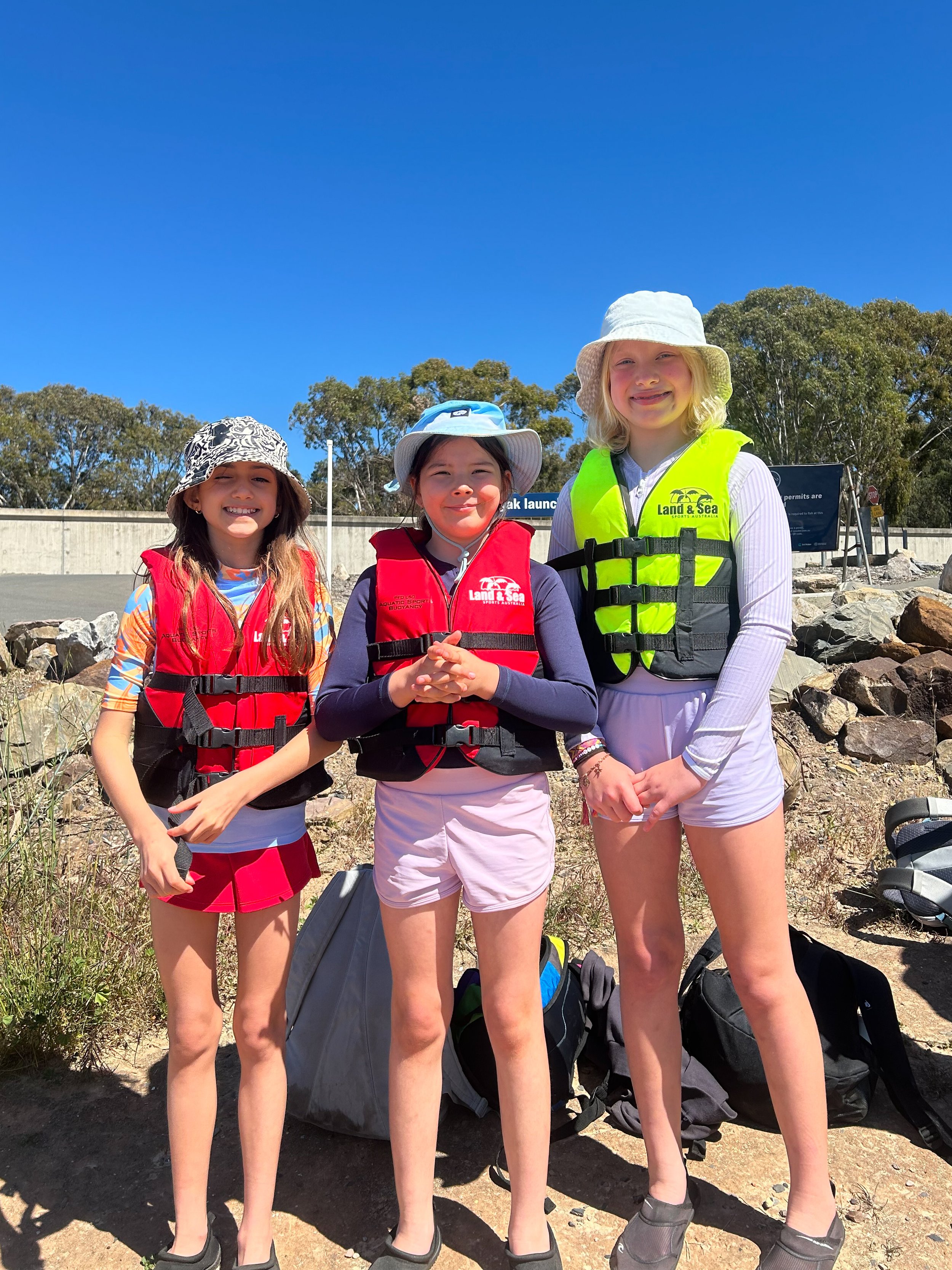
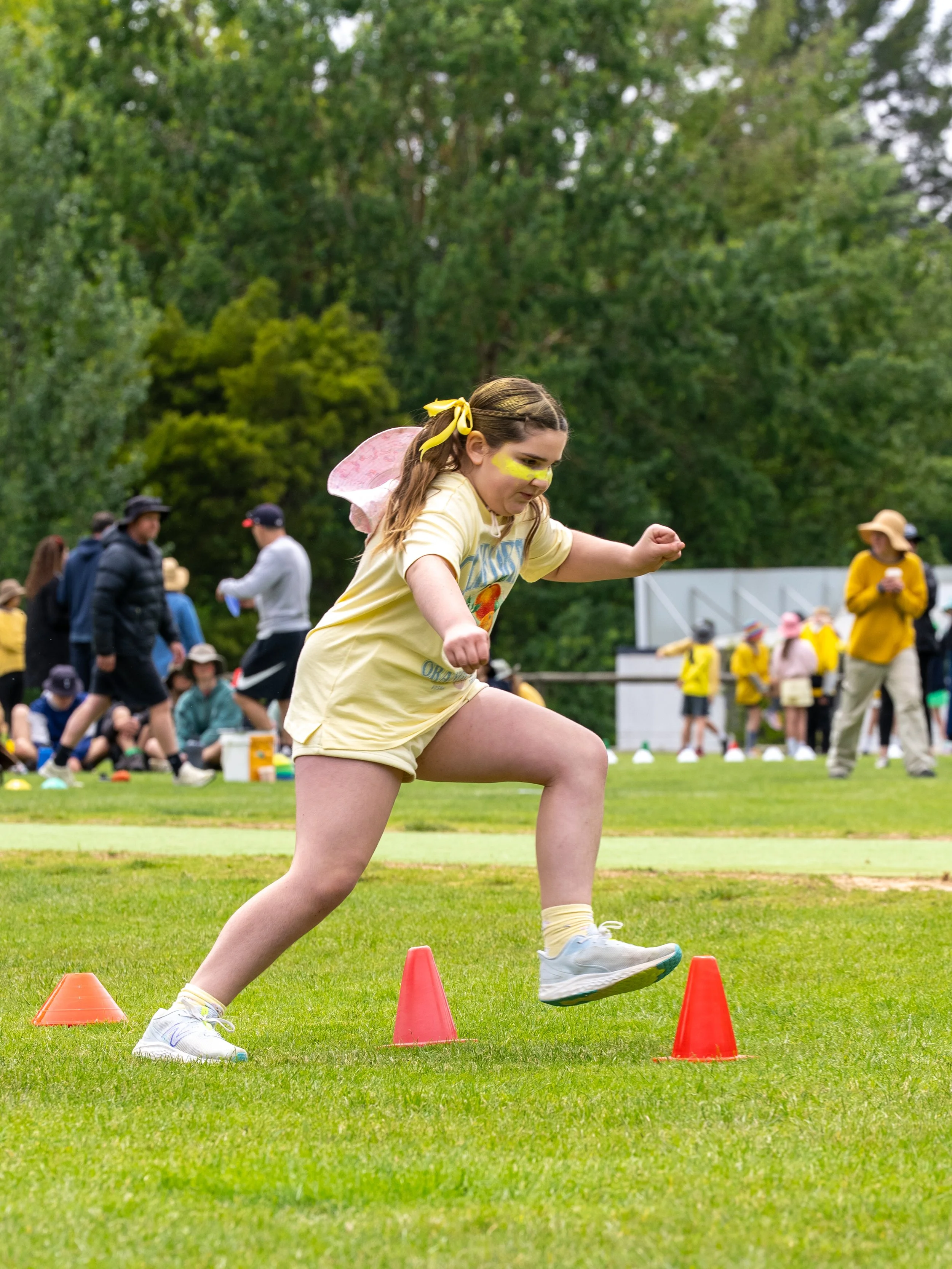
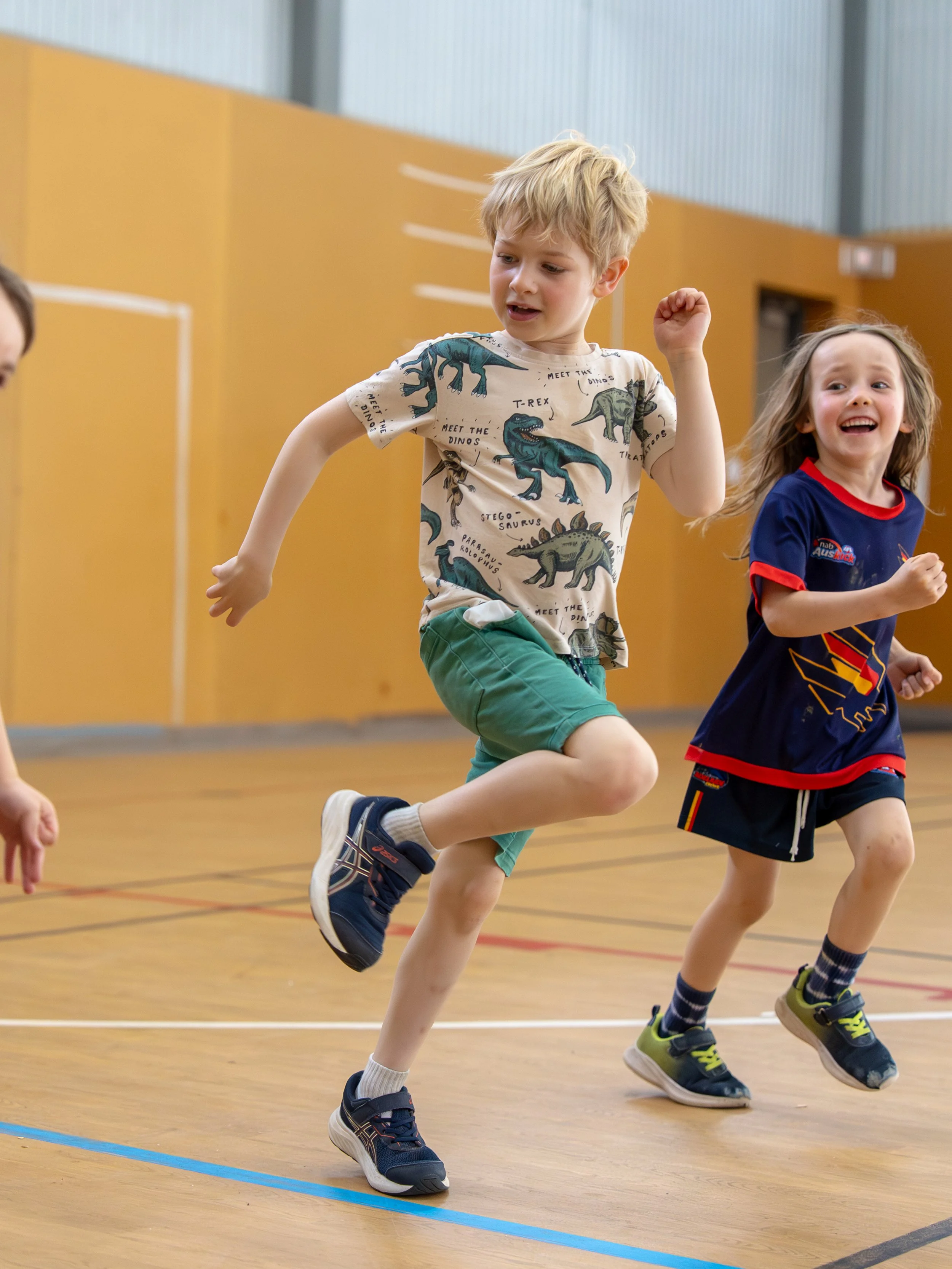
Your child’s physical development is enhanced by the fitness and skills programs. Our outdoor facilities at both campuses, including hard courts and grassed play areas, provide extensive opportunities for both structured and informal physical activities. The hall at the Yultiwirra campus has the facilities and thus enables students to learn, practice skills and play basketball, netball, volleyball and badminton. Community facilities and resources are also utilised. Students from preschool to Year 9 enjoy specialised Physical Education lessons with a specialist teacher.

Gardening
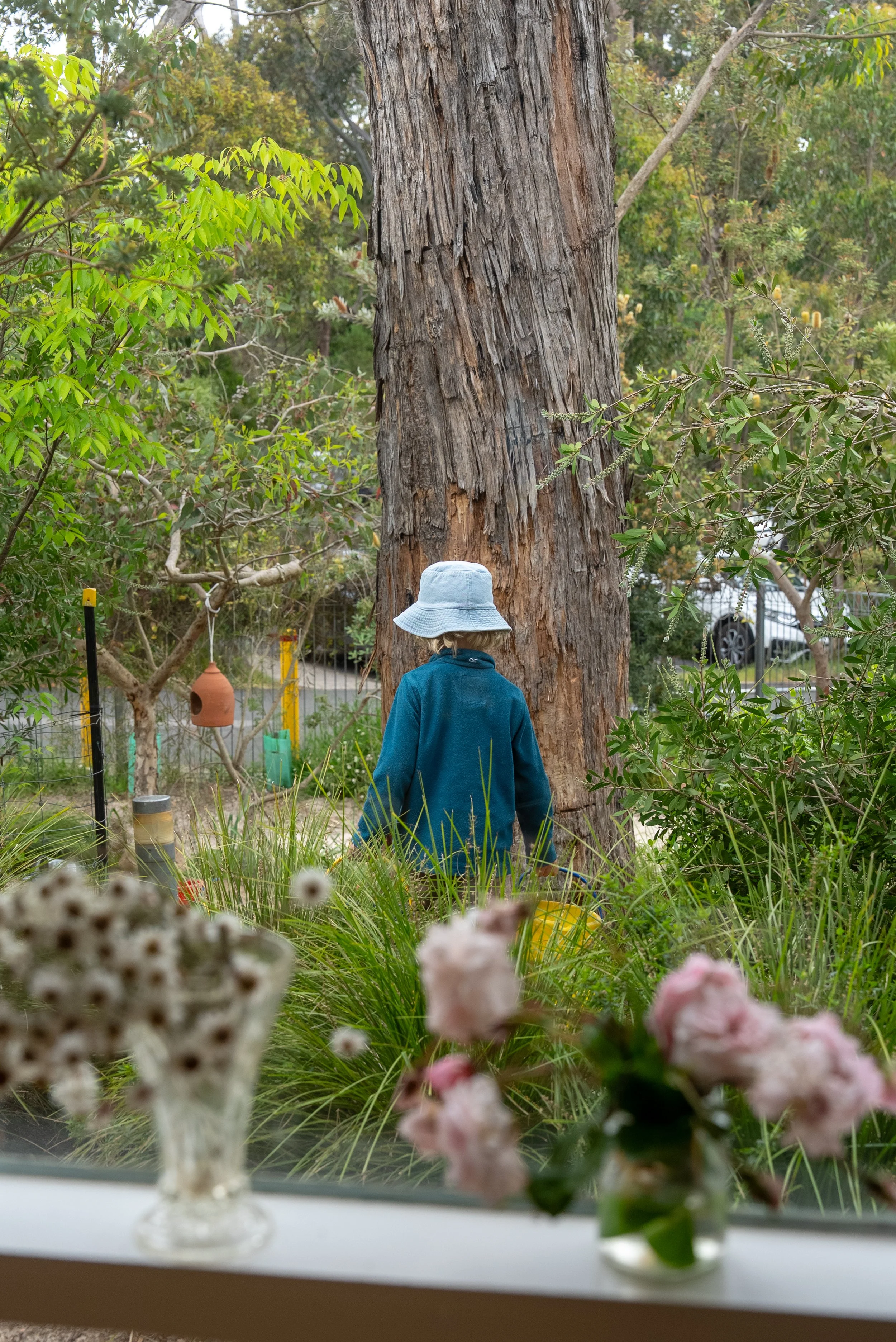
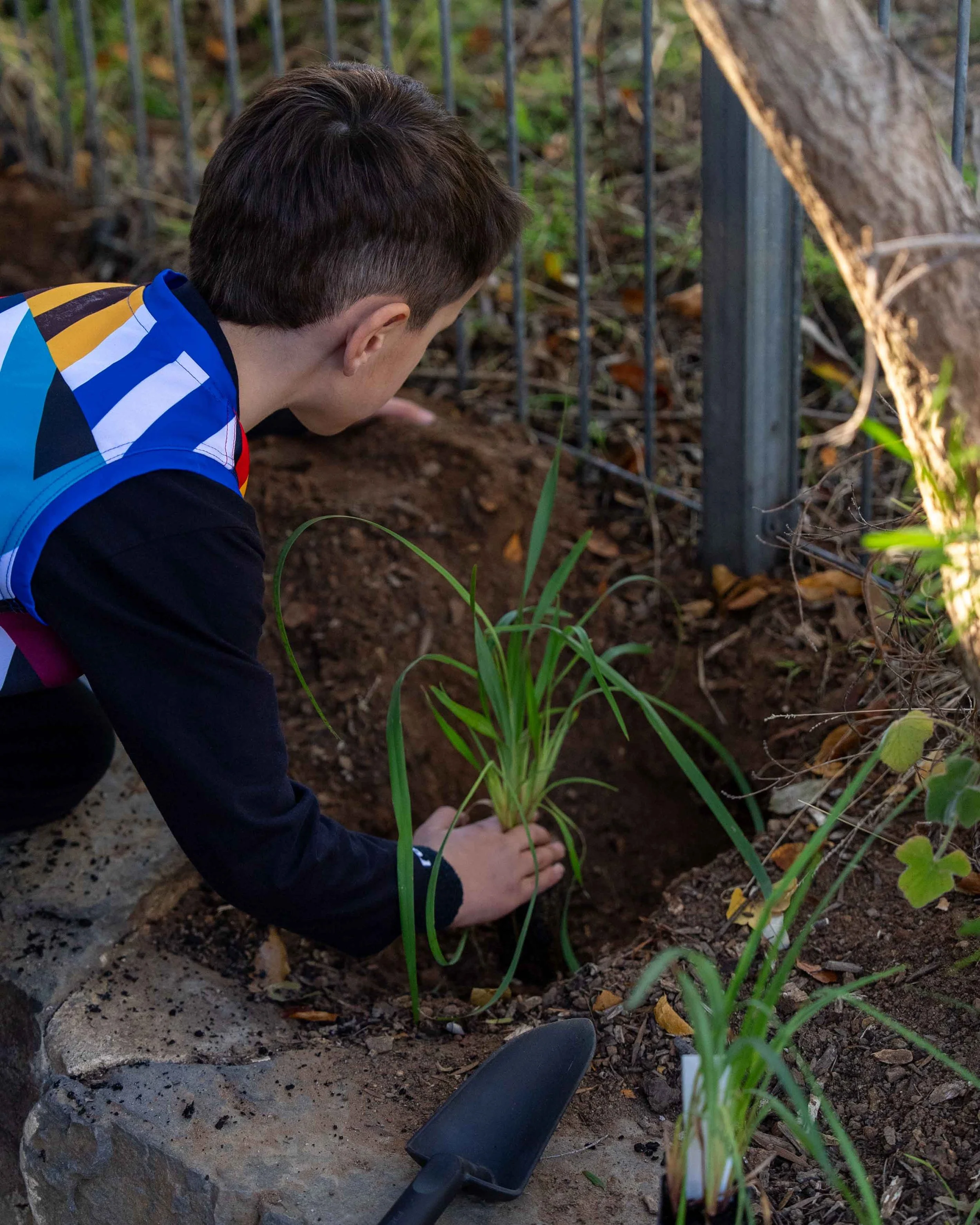
In the Montessori curriculum, gardening serves as an interactive learning subject. Students learn about plant anatomy, seasonal changes and the fundamental requirements for plant growth. Practical experiences include seed germination observation, herb and vegetable cultivation and nurturing indoor and outdoor plants. Through these activities, students actively engage in watering, weeding, and harvesting, fostering a sense of responsibility and environmental awareness. This hands-on approach enriches the curriculum, instilling lessons in sustainability and offering a tangible connection to nature's processes.
Student Wellbeing
As with many schools, prioritising the well-being of our students, staff and parents remains a central focus. Our Wellbeing Worker Alice, spends three days a week at our school, working with students individually, in small groups and conducting whole-class sessions. Once per term, Alice facilitates parent discussion groups, which play a vital role in addressing the collective needs and concerns of parents. Learning Support.
Digital Technology
In our Montessori curriculum, digital technology is thoughtfully blended with hands-on learning for a well-rounded education. Technology serves as a tool to enhance learning experiences, offering interactive resources and fostering critical thinking and creativity. Students leverage the benefits of technology to ensure they develop essential skills, while embracing the dynamic digital landscape.